
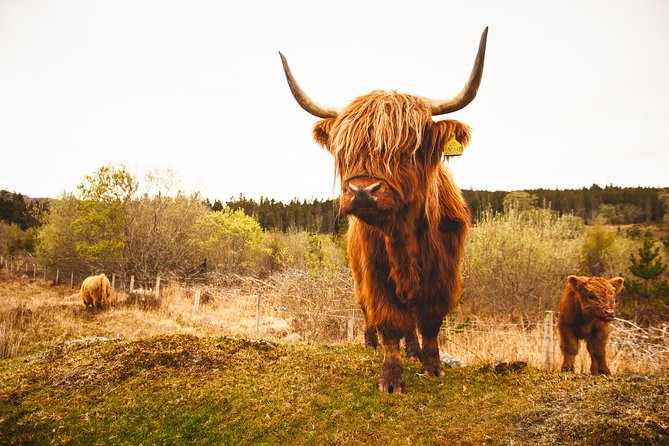
Reviewed · EDINBURGH TOURS
5-Day Orkney & Northern Coast Tour from Edinburgh Incl Admissions
Orkney is the star here: a windswept island world where 5,000-year-old Skara Brae and ancient stone circles share the stage with Viking carvings and a moving World War II chapel. Getting there by ferry, then returning through the remote northern Highlands, gives you a far broader taste of Scotland than a quick island visit.
I like the small group, with no more than 16 people, and the way a good guide turns long drives into part of the experience through stories, music, clan history, and local legends. I also like that admission is already covered at Skara Brae, Maeshowe, and Culloden. The tradeoff is a full schedule, long road days, and accommodation that can vary, especially at the B&B level.
Key points before you book
- Orkney’s ancient heart: Visit Skara Brae, the Ring of Brodgar, and Maeshowe, three of northern Europe’s most important prehistoric sites.
- A true small-group trip: Travel in a 16-seat Mercedes mini-coach, often with extra room if the tour is not full.
- Scotland’s far north: Cross the Pentland Firth, pause at John o’ Groats, and follow beaches, mountains, cliffs, and empty roads.
- Strong guiding: Guides such as Mac, Martin, Kelly, Chris, Karen, David, and Iain have been praised for storytelling, humor, local knowledge, and helpful restaurant advice.
- Four nights included: Stay in Inverness, Kirkwall, and Ullapool, choosing between a 3-star hotel or B&B style accommodation.
- Come prepared for active days: Expect steps, walking, changing weather, no onboard toilet, and luggage limited to 20 kilograms.
Why Orkney is worth five days from Edinburgh
Orkney can look distant on a map, and that is part of its appeal. This is not a quick city excursion with a rushed photo at a famous viewpoint. You cross by ferry from Gills Bay over the Pentland Firth, then spend two nights in Kirkwall, Orkney’s historic capital.
The islands are made up of around 70 islands, though this tour focuses on the main inhabited areas and the best-known historic sites. The scenery is open and spare, with little to interrupt the wind, sea, and wide skies. The sense of distance is real, yet you do not have to arrange ferries, lodging, or driving on narrow northern roads yourself.
At $1,454.57 per person, this is not a budget bus ride. But the price includes four nights of en-suite accommodation, four breakfasts, round-trip transport, a driver-guide, a small group, and three major admission fees. A self-drive trip could cost less for two people sharing a car, but you would need to add fuel, ferry planning, parking, lodging, and the mental work of driving several long days.
I see the value most clearly if you want Orkney but do not want to rent a car or build a complicated northern Scotland trip from scratch. The package also gives you a guide who can explain what you are seeing instead of leaving you to decode standing stones and ruined castles on your own.
A few more Edinburgh days to weigh up
- 5-Day Isle of Skye, Loch Ness & Inverness From Edinburgh
★ 5.0 · 451 reviews - Scotland in 5 Days Including Jacobite Steam Train from Edinburgh
★ 5.0 · 341 reviews - 5-Day Best of Scotland Tour from Edinburgh
★ 4.5 · 263 reviews
Day 1: Edinburgh, Glencoe, and Loch Ness
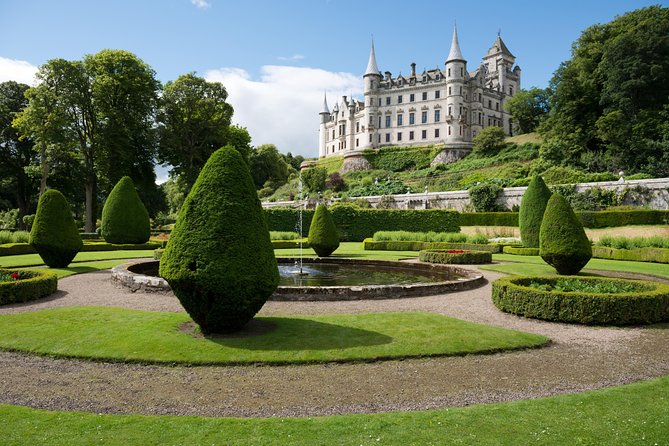
The 8:30 a.m. departure from Edinburgh Bus Station means an early start. Arrive ahead of time because check-in closes 15 minutes before departure and the coach leaves on schedule. Central Edinburgh has good public transport, which is a better choice than trying to find parking near the bus station.
Your route heads west past Stirling Castle and the Wallace Monument, then Doune Castle before reaching Callander for a refreshment stop. These first sights provide a quick introduction to Scotland’s royal, military, and cinematic past, though most are viewed from outside or during brief pauses rather than explored at length.
After crossing into the Highlands, the road follows Loch Lubnaig, Loch Earn, Glen Ogle, and Glen Dochart. This is where the journey begins to feel less like transportation and more like a moving tour. You get wide views, mountain valleys, and frequent changes in weather and light.
Glencoe brings a darker note. Your guide explains the story of the 1692 massacre of the MacDonalds, a painful episode that gives the valley emotional weight beyond its dramatic scenery. Guides are a major part of this trip, and the strongest ones, including Mac, Martin, and Karen, have been praised for making history easy to follow without turning the coach into a classroom.
The day continues along the Great Glen to Loch Ness, where you have about an hour. You may try to spot the monster, but the real pleasure is the scale of the loch and the chance to stretch your legs after a long drive.
You finish in Inverness, the Highland capital, with the evening free. Meals are not included, so you can choose your own dinner. That independence is useful, although you should reserve restaurants ahead of time for busy dates, especially if you have a particular place in mind.
Day 2: Dunrobin Castle, John o’ Groats, and the ferry north
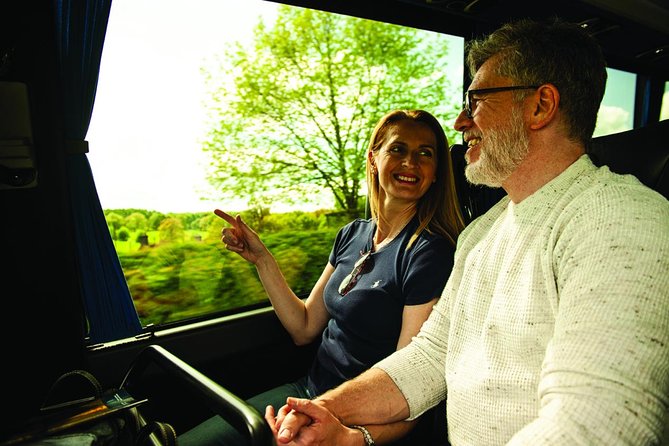
The second day takes you across the Black Isle and along the northeast coast toward Dunrobin Castle. The stop is brief, around 10 minutes, and is mainly for photographs. A steep path leads toward the front of the castle, so this is not the best stop for anyone who finds slopes difficult. Admission to the castle is not included, and the schedule does not provide a full castle visit.
That may disappoint you if Dunrobin is a priority. The point here is the northern coast road rather than an extended indoor attraction. You keep moving through increasingly remote scenery, with the sea and open countryside replacing the more settled feel of Inverness.
At John o’ Groats, you have about 20 minutes. This small village is famous as the northern end of the traditional Land’s End to John o’ Groats journey. The stop is short, but it gives you a chance to see one of Britain’s best-known geographic markers and the exposed coastal setting around it.
From Gills Bay, the ferry crosses the Pentland Firth to Orkney. The crossing is an important part of the day, not just a practical transfer. You are moving from mainland Scotland into an island culture shaped by Norse influence, sea travel, and a much older human presence.
After arriving, you visit the Italian Chapel on Lamb Holm. Italian prisoners of war built the chapel during World War II, and its modest exterior gives little hint of the care inside. This is one of the tour’s most human stops, a reminder that Orkney’s story is not limited to prehistoric monuments.
You then continue to Kirkwall for two nights. The evening is free to explore the winding streets, find dinner, and visit St. Magnus Cathedral if opening hours allow. Two nights in the same place make this portion easier than a nightly hotel shuffle, and Kirkwall gives you a useful base for the main Orkney sites.
Day 3: Skara Brae and Orkney’s stone circles
Day 3 is the strongest day for archaeology. At Skara Brae, you see a Neolithic village that was occupied around 5,000 years ago, long before Stonehenge and the Egyptian pyramids. Stone-built homes, passageways, and household features make the distant past feel unusually close.
The included admission matters here. Skara Brae tickets are reserved for you, so you do not need to gamble on availability after making the long trip to Orkney. You have about an hour at the site, enough to take in the remains and the setting beside the sea, though anyone fascinated by archaeology may wish for more time.
The Ring of Brodgar is a shorter stop, around 30 minutes. Its original circle measured 104 metres across and may once have held 60 stones. Twenty-seven remain today. You can walk among the surviving stones and think about the planning, labor, and ceremonies that once made this remote place important.
Do not expect a museum-style explanation at every monument. The value of the guide is especially clear here. A well-prepared driver-guide can connect the sites, explain what is known and uncertain, and help you see how Orkney’s prehistoric monuments form a wider pattern rather than isolated ruins.
Maeshowe follows, with about an hour and included admission. This chambered cairn is older than the Viking graffiti inside it, but the Norse runic inscriptions are one of its most memorable details. The combination of prehistoric engineering and medieval visitor marks gives the site unusual layers of human use.
The schedule is full, but the stops are carefully chosen. If you want long, quiet hours at each archaeological site, a private trip would suit you better. If you want a guided introduction to Orkney’s main prehistoric places without arranging timed tickets and transport, this day works very well.
You return to Kirkwall for another free evening. Plan dinner before you set off, particularly if you are visiting during a busy season. The tour includes breakfast, not lunch or dinner, so daily food costs remain your responsibility.
Same country, a completely different kind of day out:
- Edinburgh: Loch Ness, Glencoe & the Scottish Highlands Tour
★ 4.6 · 17,446 reviews - Edinburgh: Harry Potter Magical Guided Walking Tour
★ 4.8 · 11,944 reviews - Edinburgh: Underground Vaults Tour
★ 4.6 · 11,758 reviews - Edinburgh Castle: Guided Walking Tour with Entry Ticket
★ 4.7 · 11,699 reviews
Day 4: Leaving Orkney for Assynt and Ullapool
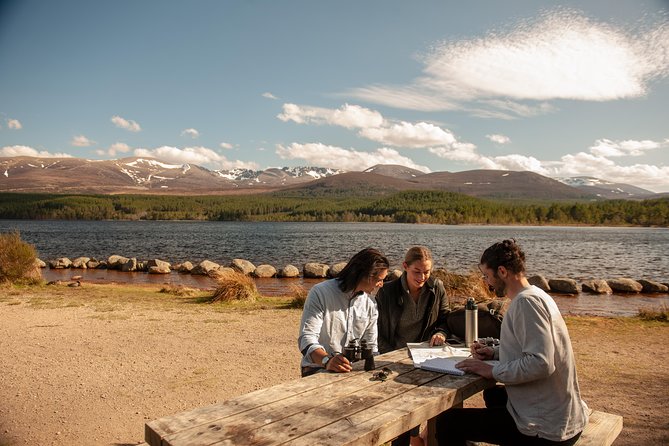
You leave Orkney after a relaxed start and sail back to mainland Scotland. From there, the route crosses the top of the country, passing Ben Loyal and Ben Hope, rocky cliffs, and golden beaches.
This is one of the tour’s longest and wildest road days. You are not stopping at every viewpoint, and the exact number of photo breaks depends on timing and conditions. Still, the appeal is the road itself: a remote stretch where mountains, coast, and empty beaches appear outside the window.
At Ardvreck Castle, you stop for about 30 minutes to view the 15th-century ruins. The remains sit in the Assynt wilderness beside Loch Assynt, giving you a strong sense of how exposed and strategic these old Highland sites could be. Admission is free, and the stop is short enough to fit into a demanding travel day.
You finish in Ullapool, a whitewashed fishing village at Loch Broom. This is your final overnight stop, and it breaks up the return journey to Edinburgh. Accommodation here has generally been comfortable, but standards can vary. One property received criticism for maintenance problems, including bathroom issues, so I would choose the hotel option if dependable facilities matter more to you than a traditional B&B setting.
Day 5: Culloden, Clava Cairns, and the road back
Culloden Battlefield gives the final day its emotional center. The 1746 battle ended the Jacobite Rising and was the last major pitched battle fought on British soil. You have about 45 minutes at the battlefield and visitor experience, with admission included.
That is enough for an introduction, but history-minded visitors may want more time. One of the most useful features is the explanation of the battle itself, the events leading to it, and its consequences. If Culloden is high on your list, consider returning independently after the tour or accepting that this will be an overview rather than a full study.
Clava Cairns is a short drive away, with about 30 minutes to see the ancient stones and burial structures. The site is especially appealing if you know it from the Outlander novels, but it rewards you even without that connection. The stones are quiet, physical reminders of a society that left few written records.
The return route crosses the Caledonian Pine Forest and follows the Cairngorm range before lunch in Perthshire. You then continue through the Kingdom of Fife and back to Edinburgh. After five days of ferries, mountains, archaeological sites, and northern roads, the final leg can feel long, but it completes a satisfying circuit rather than retracing the same route.
The mini-coach and the pace of the trip
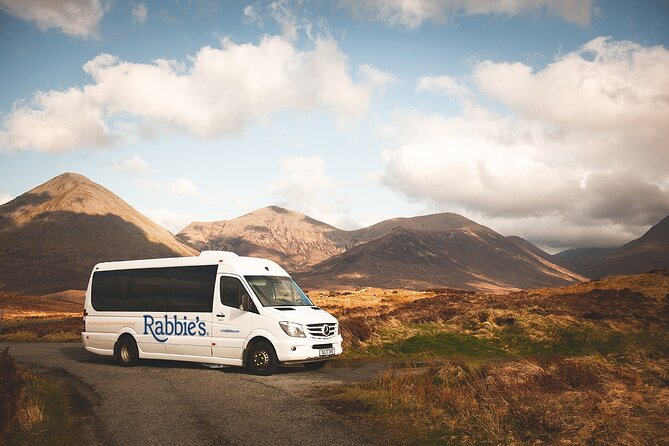
The 16-seat Mercedes mini-coach is a major advantage over a full-size bus. You get a closer view through the windows, quicker loading at stops, and a better chance to hear the guide. On departures with fewer than 16 people, you may have extra room to spread out.
There are three steps into the coach, each about 150 millimetres high, with grab handles and non-slip treads. The vehicle is not wheelchair accessible, though a folding wheelchair or walking frame can be stored. You need to get on and off independently or with help from a companion.
There is no toilet onboard. Regular breaks are built into the days, but the long drives and remote roads mean you should use facilities whenever the opportunity appears. Comfortable walking shoes and waterproof layers are essential. Orkney can be blustery even when the mainland weather looks mild.
The 20-kilogram luggage limit is strict: one medium suitcase or rucksack, roughly airline carry-on size, plus a small personal bag. Pack light. A bulky case will make the small coach and changing accommodation less comfortable for everyone.
Choosing between a hotel and B&B
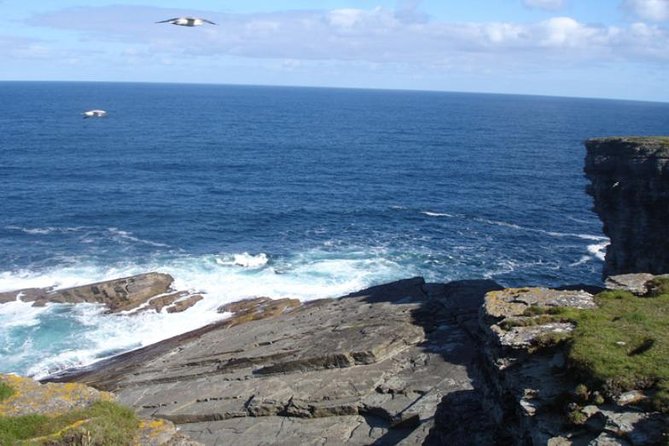
You choose either a 3-star hotel or a B&B or guesthouse when booking. Hotels tend to be more central, though some may still be a 20 to 30 minute walk from restaurants. They are also the better choice if you need lift access or a ground-floor room.
B&Bs can feel more personal and often provide a welcoming local base, but they may sit on the edge of town. You could face a 20 to 30 minute walk to dinner, or need a taxi. Stairs are also more likely, and lifts may not be available.
The quality is not perfectly uniform. Some stays have been described as clean, comfortable, and first rate, while one Ullapool property had serious maintenance problems. I would select the hotel category if you value predictable standards, central access, or easier mobility. If price and local character matter more, the B&B option can work well, but note your room and access needs when booking.
Who will enjoy this tour most
This trip suits you if you want scenery and history in equal measure. It is particularly strong for anyone interested in prehistoric Britain, Viking Orkney, Jacobite history, castles, and remote coastal roads.
You should be comfortable with full days and substantial time in the coach. The tour is not strenuous in the way a hiking holiday is, but there are steps, uneven ground, slopes, and repeated stops in changeable weather. A minimum age of five makes it possible for families, though younger children may find the long drives tiring.
The guide can shape the whole experience. Names reported for particularly strong guiding include Mac, Martin, Kelly, Chris, Jim, Willie, Jodie, Karen, David, Iain, Nick, and Michael. The best guides add humor, music, local anecdotes, and clear historical context. They also help with practical matters such as finding dinner and making the most of short stops.
Should you book it?
I would book this tour if Orkney is a priority and you want the practical work handled for you. The ferry crossing, two nights in Kirkwall, included archaeological admissions, and northern Highlands return route make this far more useful than a quick day trip.
I would hesitate only if you need luxury accommodation, long visits at every site, or complete control over meal times and daily pacing. For most people, the combination of a small vehicle, strong driver-guide, historic Orkney, and dramatic northern scenery offers good value at the price.
Choose the hotel option if comfort and location are important. Pack light, bring waterproof clothing, reserve dinners in advance, and arrive early at Edinburgh Bus Station. If you can accept the long drives and occasional accommodation variation, this is a well-shaped way to reach one of Scotland’s most memorable corners.
FAQ
Where does the tour depart from?
The tour departs from Edinburgh Bus Station at St Andrew Square, Edinburgh EH1 3AY. It ends back at the same meeting point.
What time does the tour leave Edinburgh?
The scheduled departure time is 8:30 a.m. Check-in closes 15 minutes before departure, and the coach leaves on time.
How much luggage can I bring?
You may bring up to 20 kilograms per person. This includes one medium suitcase or rucksack of about 55 by 45 by 25 centimetres, plus a small bag for personal items onboard.
Where will I stay during the tour?
You spend one night in Inverness, two nights in Kirkwall on Orkney, and one night in Ullapool. You choose between a 3-star hotel and a B&B or guesthouse when booking.
Are meals included?
Four breakfasts are included. Lunches, dinners, snacks, and refreshments are not included.
Which admission fees are included?
Admission is included for Skara Brae, Maeshowe, and Culloden Battlefield. Other admissions, including optional castle visits, are not included unless specifically stated.
Can I bring a wheelchair?
The mini-coach is not wheelchair accessible. Storage is available for a folding wheelchair or walking frame, but you must be able to board and leave the coach independently or with help from a companion.
Just added around Edinburgh
- Falkirk Wheel, Doune Castle, Stirling Castle Private Tour★ 5.0 · 8 reviews
- Edinburgh Private Transfer from Edinburgh city centre to Edinburgh Airport★ 4.0 · 8 reviews
- Private tour: History and Mystery in Edinburgh’s Old Town★ 5.0 · 8 reviews
- Edinburgh: Dean Village & New Town Walking Tour★ 5.0 · 8 reviews
- Edinburgh: Harry Potter, Glenfinnan Viaduct & Highland Tour★ 5.0 · 8 reviews
- Edinburgh: Harry Potter Walking Tour and Beer Tasting★ 4.9 · 8 reviews
- Watch Building Experience – Edinburgh★ 4.5 · 8 reviews
- Ghost Tour in Edinburgh★ 5.0 · 8 reviews
Edinburgh Tours, compared.
Loch Ness, Glencoe & the Scottish Highlands Tour
Read our review →
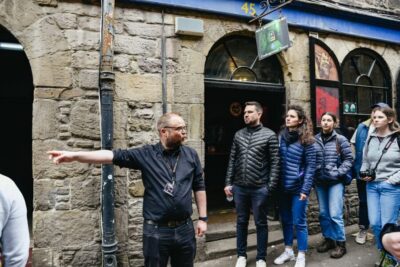
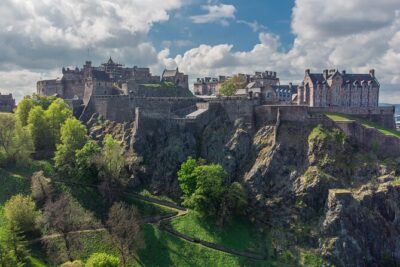
Edinburgh Castle: Guided Walking Tour with Entry Ticket
Read our review →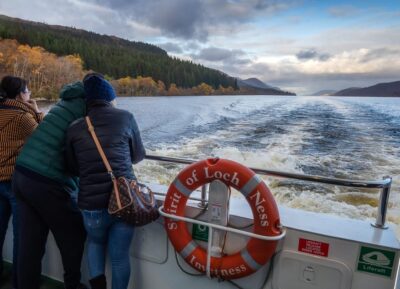
Loch Ness, Glencoe & Scottish Highlands Tour
Read our review →
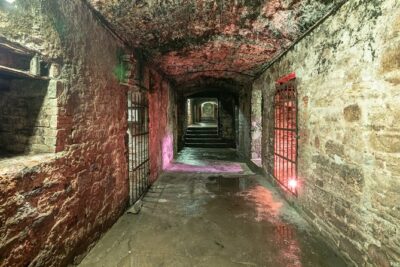
Underground Vaults Walking Tour in Edinburgh Old Town
Read our review →
Edinburgh Castle Guided History Tour with Tickets
Read our review →Browse the lists this tour appears in