
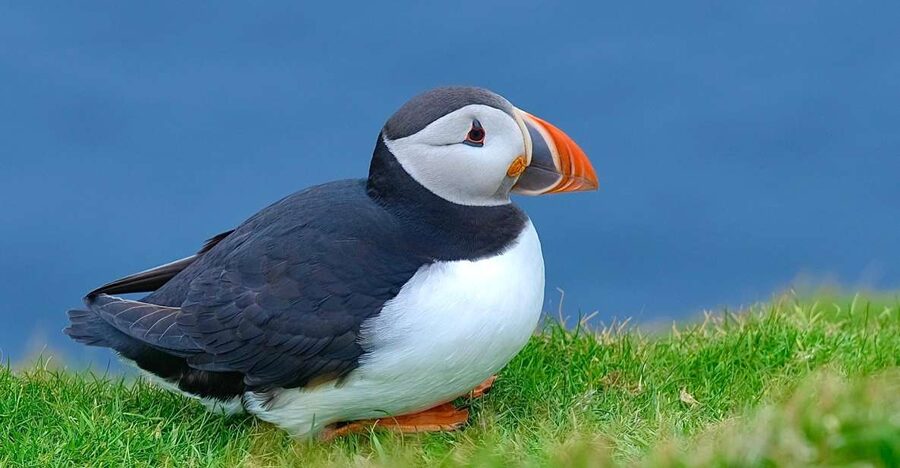
Reviewed · EDINBURGH TOURS
From Edinburgh: 6-Day Shetland & Nothernmost Explorer
Shetland is the star here: a far-northern world of sea cliffs, Viking traces, tiny beaches, and seabirds perched above the North Sea. You’ll reach Muckle Flugga, Britain’s northernmost lighthouse, and search for puffins around Hermaness. This is not a quick island sampler. It is a long, weather-shaped journey to one of the UK’s remotest corners.
I like the mix of old and wild: Neolithic ruins and Viking longhouses share the trip with seals, ponies, and cliff walks. I also like the small group, limited to eight, and the flexible approach of guide Hugh, who adjusts the day when weather changes. The drawback is just as clear: Shetland involves long drives, ferry travel, and exposed walking, so this suits hardy sightseers more than anyone seeking a relaxed city break.
Key points at a glance
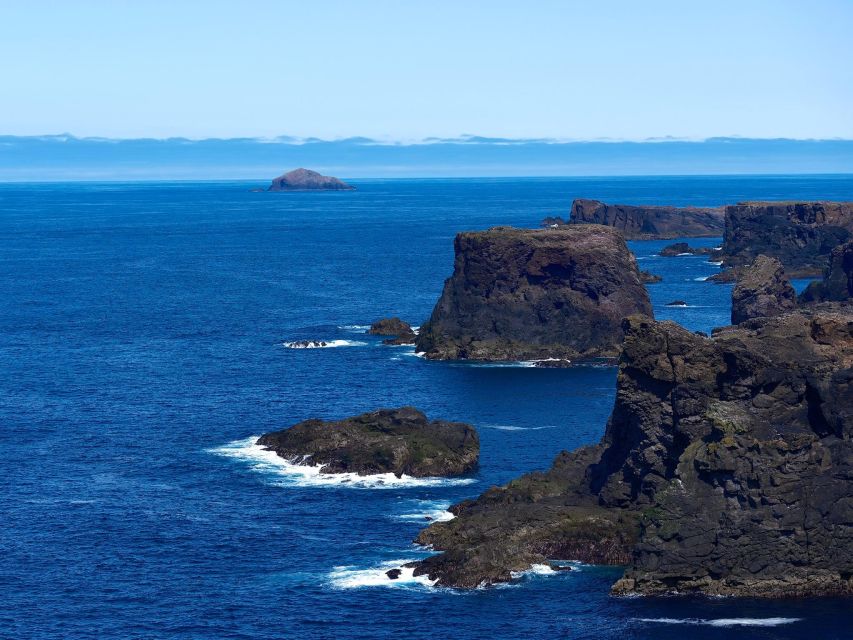
- Muckle Flugga and Hermaness: Reach the northern edge of Unst, with puffin colonies, seabird rookeries, and dramatic cliffs.
- Shetland’s deep past: Visit a New Stone Age settlement and the Viking longhouse sites of Unst.
- Small-group transport: Travel in a modern, air-conditioned vehicle for five to nine people, depending on group size.
- Two nights at sea: The route includes ferry travel and inside four-berth cabins, making the crossing part of the experience.
- Wildlife with memorable close encounters: Look for puffins and seals, then meet Shetland ponies in their traditional island home.
- A strong mainland finale: Finish with Dunnottar Castle and St. Andrews before returning to Edinburgh.
Why this Shetland trip is different
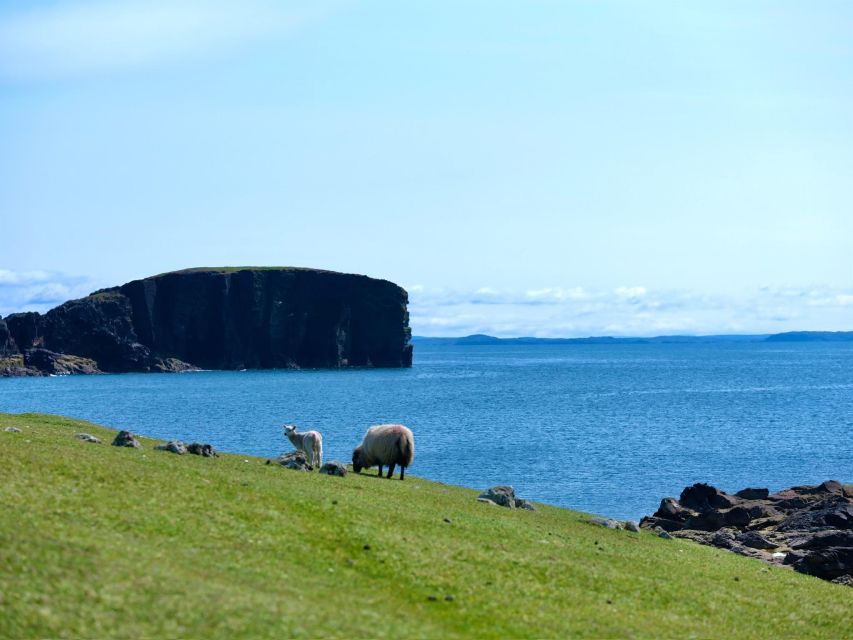
Many Scotland tours concentrate on castles, lochs, and compact Highland routes. This one reaches much farther north, where the sea controls the pace and the villages feel separated from the rest of Britain by more than distance.
You’ll travel from Edinburgh to Aberdeen, board a ship for Shetland, spend several days crossing the islands by road, and then return by sea before visiting Dunnottar Castle and St. Andrews. That makes this a proper expedition-style holiday, not a standard day trip with a few photo stops.
I especially like the small group format. With no more than eight people, the guide can keep the vehicle moving efficiently and respond to weather or personal needs. Hugh is the named guide associated with the experience, and his calm driving, flexibility, island stories, and close attention to the group were repeatedly praised. A Chinese-speaking guide is also available.
The trip is sold in different formats, with the stated duration ranging from 10 hours to six days. For the full Shetland route described here, allow six days. Check the exact option carefully, since four nights of accommodation with breakfast apply only if that option is selected.
A few more Edinburgh days to weigh up
- 6 Day Outer Hebrides, Isle of Skye & optional ‘Hogwarts Express’
★ 5.0 · 223 reviews - 6-Day Outer Hebrides and Isle of Skye Small-Group Tour from Edinburgh
★ 5.0 · 69 reviews - From Edinburgh: Outer Hebrides & Isle of Skye 6-Day Tour
★ 4.7 · 33 reviews
Day 1: From Edinburgh to the Aberdeen ferry
The trip opens with a drive from Edinburgh through eastern Scotland. The first major sight is the Forth Bridge, the famous red railway bridge completed in 1889 and now a UNESCO World Heritage Site. It is an impressive way to begin, especially if you have not yet seen its giant steel spans from the road.
The route also gives you a glimpse of Arbroath Abbey. Its connection to the Declaration of Arbroath in 1320 adds political weight to what could otherwise be a passing view. Scotland’s struggle for independence is not treated as distant decoration here. It helps explain the national identity you’ll encounter throughout the trip.
At Aberdeen, you board the cruise ship for the overnight journey to Shetland. The crossing is part of the cost and structure of the trip, but it also adds uncertainty. North Sea weather can affect comfort, and an inside cabin offers little view while at sea. The included cabin is a four-berth inside cabin, so you should understand the sleeping arrangement before booking.
This is one reason the tour works best for people who see transport as part of the adventure. If you need a private cabin, ask about the available booking option before paying. The provided details specify four-berth inside cabins, not private rooms.
Day 2: Lerwick, ancient settlement, and Sumburgh
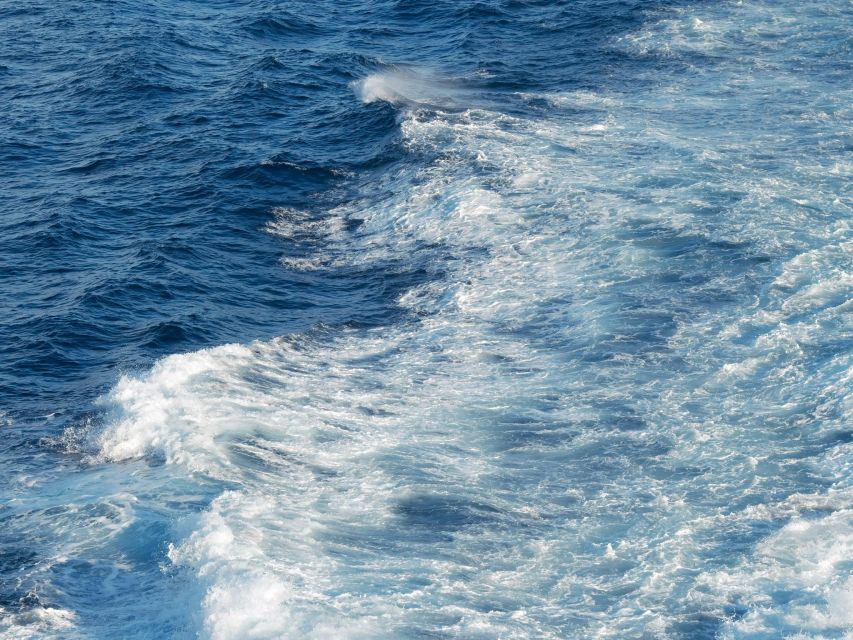
You arrive in Shetland the following morning and begin in Lerwick, the island capital. The town’s older buildings and harbor give you a quick sense of Shetland’s position between Scotland, Scandinavia, and the North Sea.
Shetland knitting is part of that identity. The craft developed on the islands and remains one of the clearest links between local life and the cold, windy setting. This is a better kind of cultural stop than a generic shopping break because it connects a practical skill to the island’s climate and history.
The day then reaches much farther back in time with a New Stone Age settlement. The site is described as covering 40,000 years of archaeology, so you should expect a place where the evidence stretches across long periods rather than a single perfectly preserved monument. Your guide’s explanations matter here, since ruins can be hard to read without context.
Sumburgh Lighthouse is another key stop. Built in 1821 by Robert Stevenson, it is the oldest lighthouse in Shetland. Its location gives you the classic combination of stone, open sea, and strong wind. Bring a jacket even in summer, and wear shoes with a firm sole.
The day ends near Lerwick Beach, where seals may be seen relaxing along the shore. Wildlife is never guaranteed, but the stop gives you a quieter finish after a full day of driving and historic sites.
Day 3: St. Ninian’s Ayre and the Eshaness coast
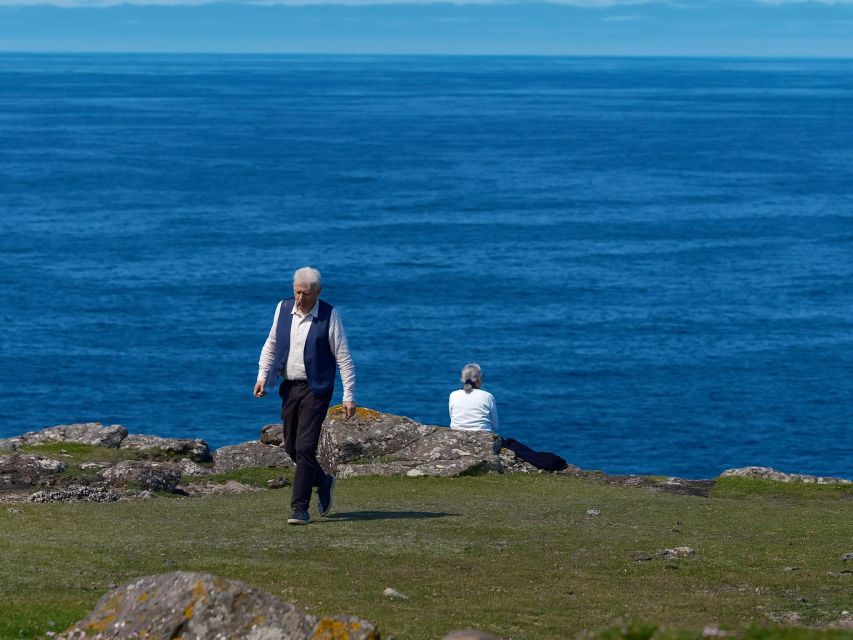
St. Ninian’s Ayre offers one of Shetland’s most unusual coastal scenes. It is a beach that links land between two bodies of water, creating a narrow strip of sand and shell between the sea on either side. The setting is open, exposed, and easy to appreciate without a long climb.
I like this stop because it shows how varied Shetland’s shore can be. You are not seeing one repeated pattern of cliffs and waves. Beaches, narrow coastal links, headlands, and rock shelves appear within the same island journey.
The route continues toward Eshaness, known for its long coastline and powerful cliffs. The stated coastline length is 1,697 miles, which gives you an idea of why the days include so much road time. You cannot cover Shetland quickly. The reward is a sequence of sea views that changes with every turn.
At Eshaness, the waves crashing against old rock are the main event. The coast is exposed, so stay sensible near edges and follow the guide’s instructions. The supplied information does not specify the length or difficulty of a particular walk, but comfortable and hiking shoes are required for good reason.
This is also a day when weather can alter the feel of the trip. In clear conditions, you may get wide views across the water. In mist or rain, the cliffs become more severe and atmospheric, but walking can be less pleasant. Hugh’s reported flexibility with weather is useful here, since timing a coastal stop well can make a real difference.
Same country, a completely different kind of day out:
- Edinburgh: Loch Ness, Glencoe & the Scottish Highlands Tour
★ 4.6 · 17,446 reviews - Edinburgh: Harry Potter Magical Guided Walking Tour
★ 4.8 · 11,944 reviews - Edinburgh: Underground Vaults Tour
★ 4.6 · 11,758 reviews - Edinburgh Castle: Guided Walking Tour with Entry Ticket
★ 4.7 · 11,699 reviews
Day 4: Unst, Muckle Flugga, and Viking Shetland
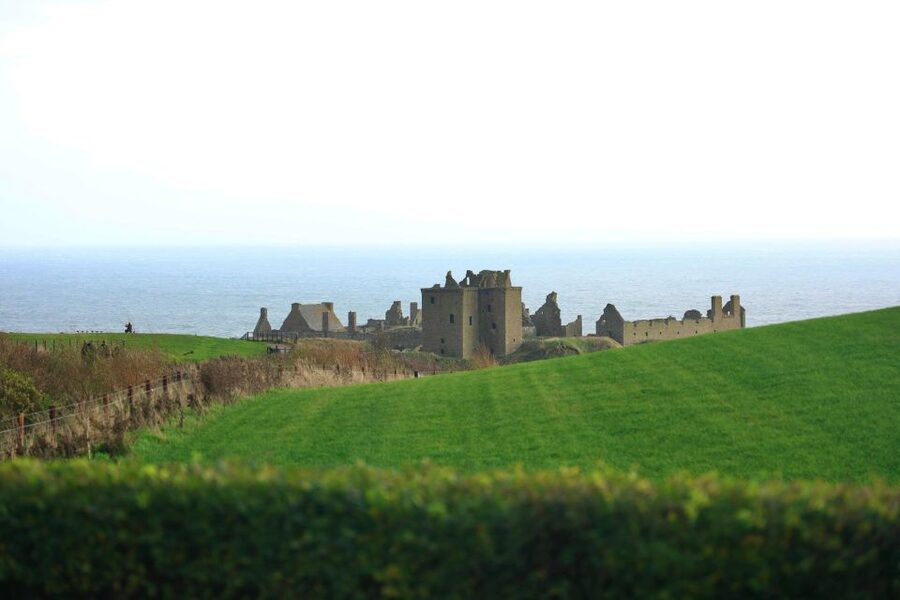
Day 4 is the trip’s northern high point, both geographically and emotionally. Unst is the northernmost inhabited island in the British Isles, and its Hermaness peninsula leads toward Muckle Flugga, a lighthouse on a rocky outcrop at the northern edge of the UK.
The area is known for steep cliffs, puffins, and large seabird rookeries. Puffin season is generally April through July, so schedule matters if these small birds are one of your main reasons for booking. Even in season, wildlife remains wild, but the timing gives you the best chance.
You should expect walking in an exposed setting. Bring hiking shoes, outdoor clothing, a jacket, and trousers suitable for uneven paths and changing weather. This is not a polished viewpoint reached by a short pavement stroll.
Unst also gives the trip its strongest Viking connection. Archaeological work uncovered three Viking longhouses, offering a direct link to Norse occupation rather than a vague reference to old raiders. The island’s position makes that history easy to understand. It sits far north, close to the sea routes that connected Scotland with Scandinavia.
One of the lighter stops is the island’s famously lonely last bus stop, associated with a father’s care for his daughter. It is a small human story amid the cliffs and old settlements. These details are exactly the kind of thing a good guide can bring alive, and Hugh’s storytelling is one of the experience’s strongest features.
The day may also include unusual local stories, such as a house described as the most haunted in the world. Treat that as folklore and atmosphere rather than a formal historical attraction. The trip mixes serious archaeology with odd, memorable island tales, which keeps the long drives from feeling like a list of monuments.
Day 5: Shetland ponies, Minn Beach, and the return ferry
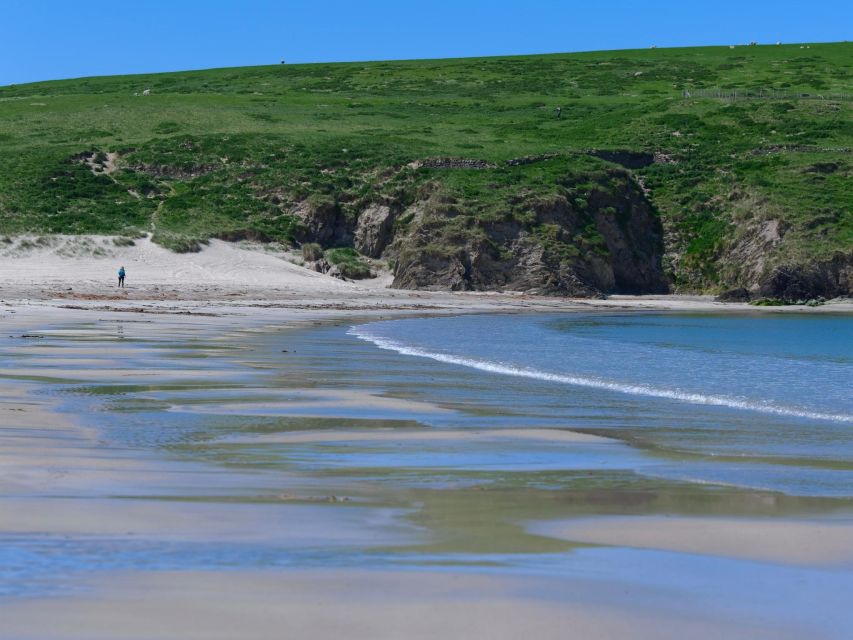
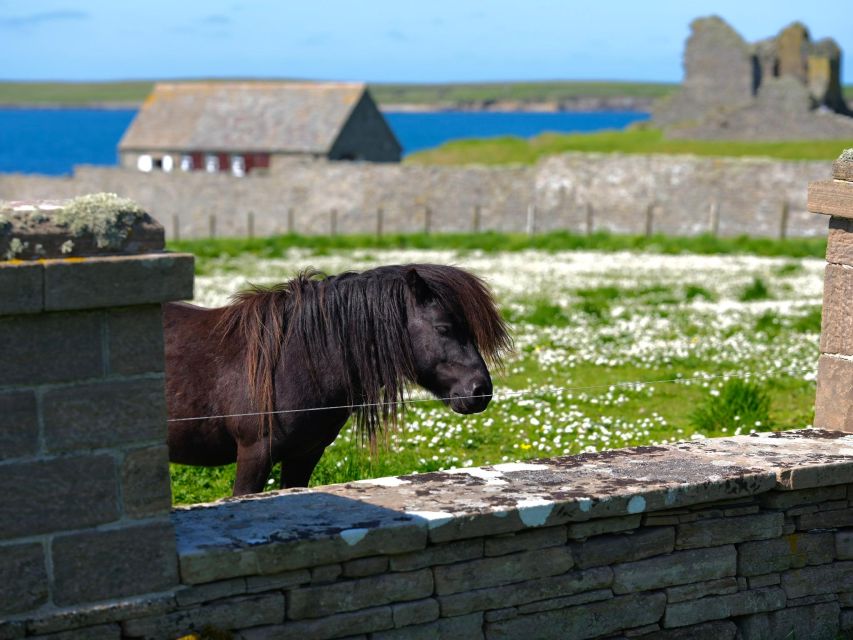
Shetland ponies are one of the islands’ best-known symbols, and this tour gives you a chance to pet them. They have lived in the exposed Shetland environment for more than 4,000 years and are known for their ability to cope with harsh conditions.
The chance to meet the ponies is more personal than simply photographing them from a roadside. Still, follow the restrictions carefully. Feeding animals and riding them are not allowed, and you should not expect an organized riding activity.
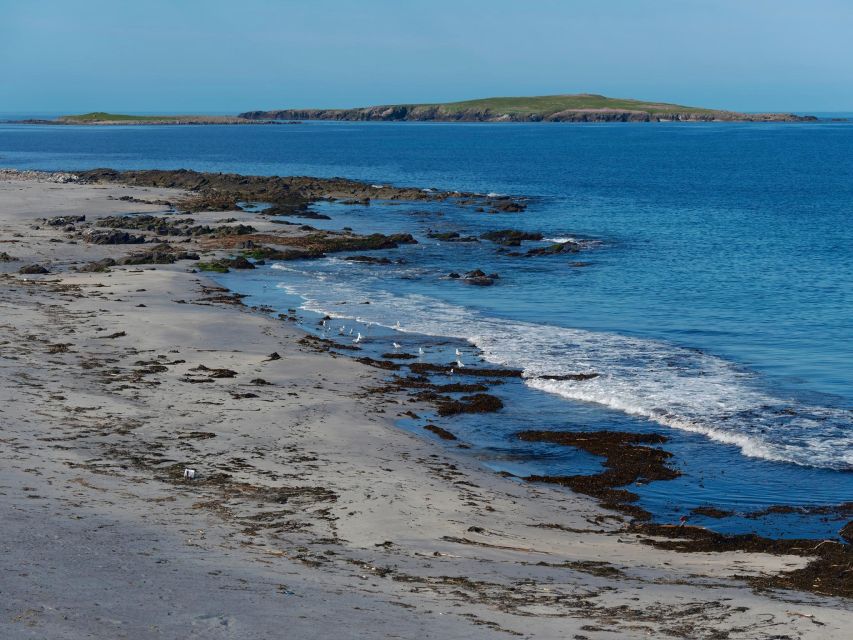
A walk around Minn Beach leads toward Kettla Ness, a wild headland associated with seals, Arctic skuas, and Arctic terns. The birdlife adds variety to the puffin experience. You are not only looking for one famous species. You are watching how different birds use cliffs, beaches, and open headlands.
This is another exposed coastal section, so comfortable clothing and a warm outer layer matter. The route then turns back toward the cruise for the journey to Aberdeen. By this stage, you will have spent several days in a compact vehicle, so the ferry provides a change of pace and a chance to rest.
The long drives are the main practical issue on Shetland. One full-day journey can include substantial time on the road between scattered sites. Hugh’s calm driving and habit of keeping the mood light are valuable, but no guide can remove the distances. If you dislike long transfers, this is the point to think carefully before booking.
Day 6: Dunnottar Castle and St. Andrews
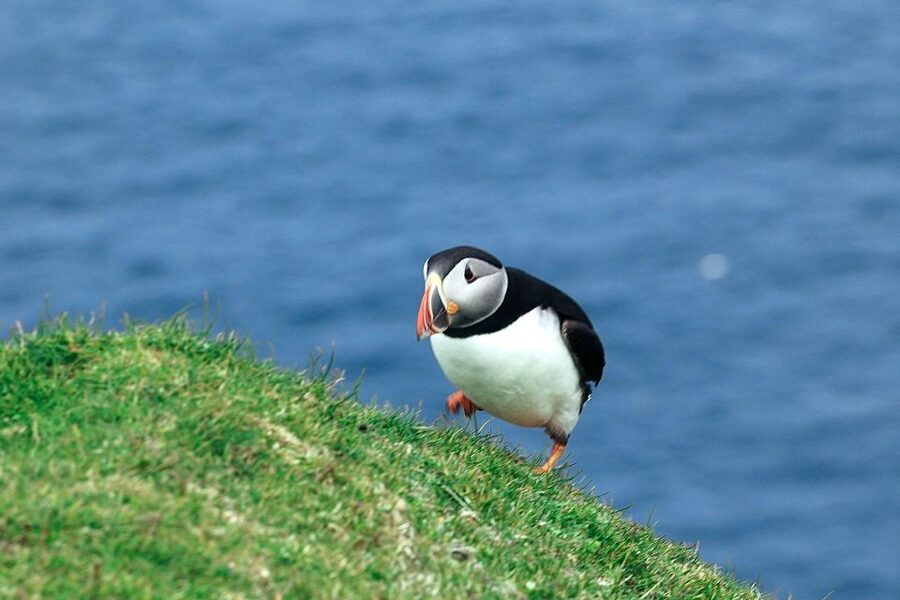
After disembarking, the route visits Dunnottar Castle, a 14th-century fortress perched on cliffs above the coast. The setting is one of Scotland’s most dramatic castle locations, with ruined stone buildings surrounded by open sea and steep rock.
The castle adds a strong mainland contrast to the island days. In Shetland, you focus on remote settlements, cliff life, and Viking traces. At Dunnottar, you get a more concentrated medieval site with a powerful defensive position. An attraction ticket may be needed, with the supplied information indicating that only one place requires a ticket costing £6. Since admission arrangements can change, confirm the current details when booking.
The final stop is St. Andrews, known as the birthplace of world golf and an important spiritual center of Scotland. It gives the return journey a settled, historic finish after the rougher edges of Shetland.
Golf enthusiasts will find the stop especially meaningful, but you do not need to play golf to appreciate the town’s place in Scottish history. The inclusion also makes practical sense: St. Andrews breaks up the journey back to Edinburgh and gives the final day a destination beyond simply returning to the starting point.
Transport, sleeping arrangements, and the real pace
The land portion uses a modern, air-conditioned vehicle for five to nine people, depending on group size. The advertised maximum is eight participants, so the vehicle should remain small enough for a more personal guide relationship.
Pickup is arranged around the addresses supplied by the group. Give your address or preferred pickup point as soon as possible, ideally no later than the day before departure. The operator plans the route to reduce backtracking, but exact pickup times depend on the other people joining.
The six-day version includes two nights in ferry cabins and four nights of accommodation with breakfast if that option is selected. Food and drinks are not included. Plan for meals along the way and keep a payment card with you, since a credit card is listed among the recommended items.
The advertised price is $67 per person, but that figure deserves a careful check. A six-day trip with ferry travel and accommodation normally needs clear option details, and the information separates accommodation as an option. Before booking, confirm whether the displayed price includes the four hotel nights, the ferry cabin, and the exact transport arrangement you want.
The flexible cancellation policy helps reduce risk: you can cancel up to 24 hours before departure for a full refund. You can also reserve now and pay later. These terms are useful for a weather-sensitive route, though they do not change the basic need to pack for wind and rain.
Who should book this six-day route?
I would choose this experience if you want remote Britain, seabirds, old ruins, and a guide-led trip where the journey matters as much as the individual stops. It is especially well suited to adults who enjoy long scenic drives, ferry crossings, open-air sites, and stories that connect local life with Viking and Scottish history.
You should be comfortable with walking on uneven ground and spending long periods in a vehicle. Children under seven are not accepted, and the tour is not suitable for wheelchair users. Baby strollers, bikes, fishing, and several other items are also prohibited.
Pack comfortable shoes, hiking shoes, a jacket, hiking trousers, and outdoor clothing. Avoid bringing alcohol into the vehicle, smoking or vaping during the trip, or feeding the animals. The rules are strict because the route moves through rural areas, protected wildlife settings, and shared transport.
The experience is offered in English and Chinese. If you want a private room on the ferry or have specific dietary or mobility needs, ask before booking because those details are not specified.
Should you book it?
Book this tour if your priority is reaching the far north with someone else handling the driving, ferry planning, and daily route. The combination of Muckle Flugga, puffins, Viking Unst, Shetland ponies, Dunnottar Castle, and St. Andrews gives you a wide view of Scotland in one carefully packed trip.
Skip it if you want slow mornings, guaranteed wildlife, private ferry cabins, or short drives. Shetland rewards patience, and the weather may shape the schedule. For the right person, the payoff is a rare look at a remote British island group, guided by a small group leader such as Hugh, who can turn long distances into part of the story rather than dead time.
FAQ
How long does the full Shetland tour last?
The full route described here lasts six days. The activity information also gives a duration range of 10 hours to six days, so check the selected option before booking.
Does the tour include ferry travel?
Yes. Ferry tickets and ferry cabin accommodation for two nights are included in the stated inclusions. The cabins are listed as inside four-berth cabins.
Are four nights of accommodation included?
Four nights of accommodation with breakfast are included if you select that option. Check the booking choice carefully to confirm the total price and inclusions.
Is a guide included?
Yes. A driver-guide is included. The named guide associated with the experience is Hugh, and guiding is available in English and Chinese.
When is the best time to see puffins?
The best time to see puffins is from April through July. Wildlife sightings are not guaranteed, but the tour visits Hermaness, an area known for puffins and seabird rookeries.
Is the tour suitable for young children or wheelchair users?
No. It is not suitable for children under seven or wheelchair users.
Can I cancel or pay later?
Yes. You can cancel up to 24 hours before the experience for a full refund, and the reserve-now, pay-later option lets you book without paying immediately.
Just added around Edinburgh
- Private Stirling Day Guided Tour in the Premier Classic LEVC TXE★ 4.5 · 3 reviews
- Shore Excursion: Private Braveheart & Whisky country from Edinburgh★ 5.0 · 3 reviews
- Edinburgh New Town: City Walking Tour & Exploration Game★ 3.4 · 3 reviews
- A History of Witchcraft in Edinburgh: A Self-Guided Audio Tour★ 5.0 · 3 reviews
- Private Scottish Highlands and Loch Ness Tour from Edinburgh★ 5.0 · 3 reviews
- Edinburgh: Harry Potter Wizarding Walking Tour (Private)★ 3.2 · 3 reviews
- Private South Queensferry Town Walking Tour★ 5.0 · 3 reviews
- Five Outlander locations , Outlander film locations tour★ 4.5 · 3 reviews
Edinburgh Tours, compared.

Loch Ness, Glencoe & the Scottish Highlands Tour
Read our review →

Edinburgh Castle: Guided Walking Tour with Entry Ticket
Read our review →
Loch Ness, Glencoe & Scottish Highlands Tour
Read our review →

Underground Vaults Walking Tour in Edinburgh Old Town
Read our review →
Edinburgh Castle Guided History Tour with Tickets
Read our review →Browse the lists this tour appears in