
Reviewed · GLASGOW TOURS
Glasgow: Gander Walking Tour
Glasgow reveals itself best in the details: a cone balanced on a duke’s head, a ship perched on a rooftop, a medieval steeple, and a famous Glaswegian hidden in plain sight on a city mural. This three-hour walk with Johnny, a local guide who calls Glasgow Mother Glasgow, links those odd and memorable details into a clear picture of the city.
I like the mix of major sights and small discoveries, especially the Art Deco interior, the old entertainment venue, and the stories around Glasgow Cross. I also like that Johnny gives practical advice on pubs, museums, parks, day trips, and places to eat. The main consideration is time: three hours on foot can feel long in cold or wet weather, although the route moves at a steady, accessible pace.
Key points about the Glasgow Gander walk
- A local guide with real affection for Glasgow: Johnny brings history, humor, and present-day recommendations together.
- Thirteen stops in the city centre: The route runs from Royal Exchange Square to Glasgow Cathedral and the Necropolis.
- More than a landmark checklist: You hear about industry, politics, architecture, street art, food, music, and local customs.
- A few unusual extras: Look for the rooftop ship, hear about a haunted bookstore, and perhaps enter an antique music venue if it is open.
- A useful first-day tour: Johnny can suggest pubs, museums, parks, day trips, and activities suited to your interests and schedule.
- Good value at $16: For three hours with a live English-speaking guide, a soft drink taste, and possible venue entry, the price is modest.
Starting with Mother Glasgow in Royal Exchange Square
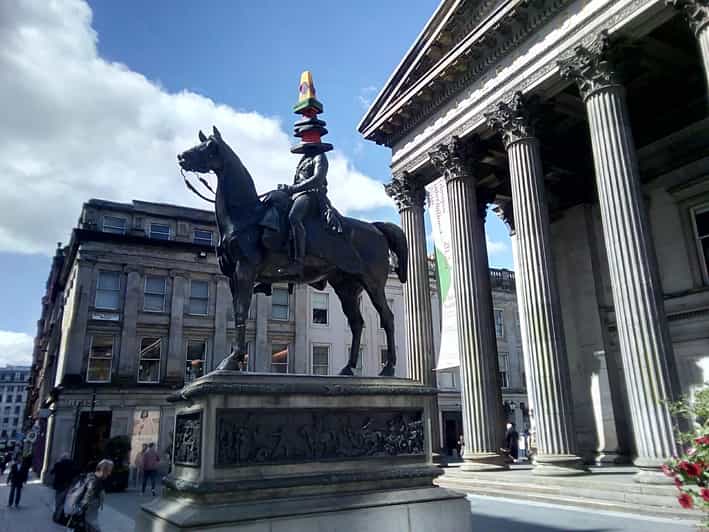
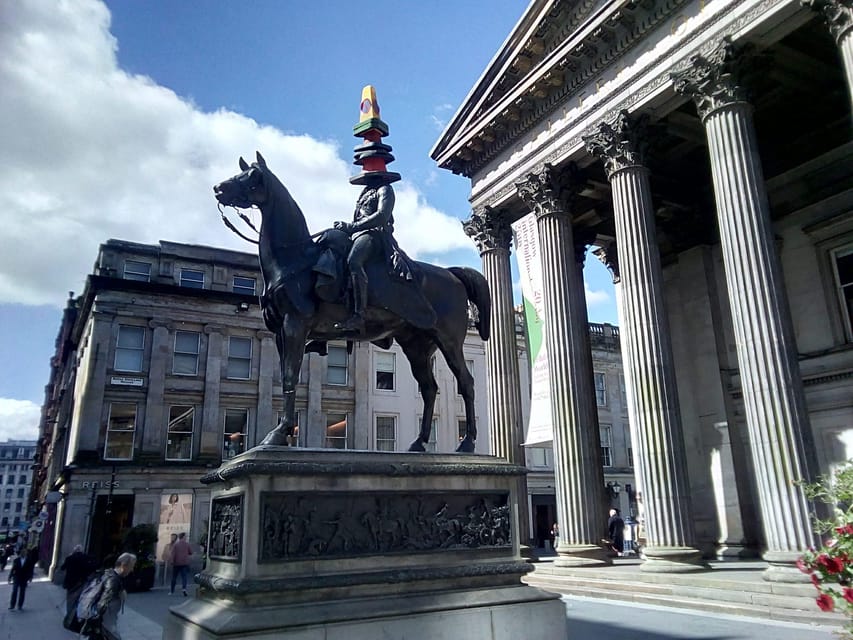
The meeting point is easy to identify if you use the details carefully. Go to the Costa Coffee in Royal Exchange Square, beside the Gallery of Modern Art and the statue of the man on horseback wearing a traffic cone. Do not wait in George Square. Look for Johnny or another guide wearing a black and white Glasgow Gander shirt or jacket.
Royal Exchange Square gives the tour a strong opening. You are close to the Gallery of Modern Art, the Duke of Wellington statue, and some of central Glasgow’s most recognizable streets. Johnny introduces Glasgow as a living city, not just a collection of old buildings, and that idea shapes the rest of the walk.
The first stop is also a useful orientation point. From here, you begin to understand how the commercial centre, shopping streets, civic buildings, and older east side fit together. If you have just arrived, this is the sort of start that helps you get your bearings quickly.
More Walking Tours in Glasgow
- Glasgow City Centre Walking Tour with Local Guide
★ 5.0 · 1,326 reviews - Glasgow: Ghouls, Ghosts & Gruesome Tales Guided Walking Tour
★ 4.9 · 887 reviews - Glasgow: City Center Guided Walking Tour
★ 4.7 · 759 reviews
The Duke of Wellington and Glasgow’s cone tradition
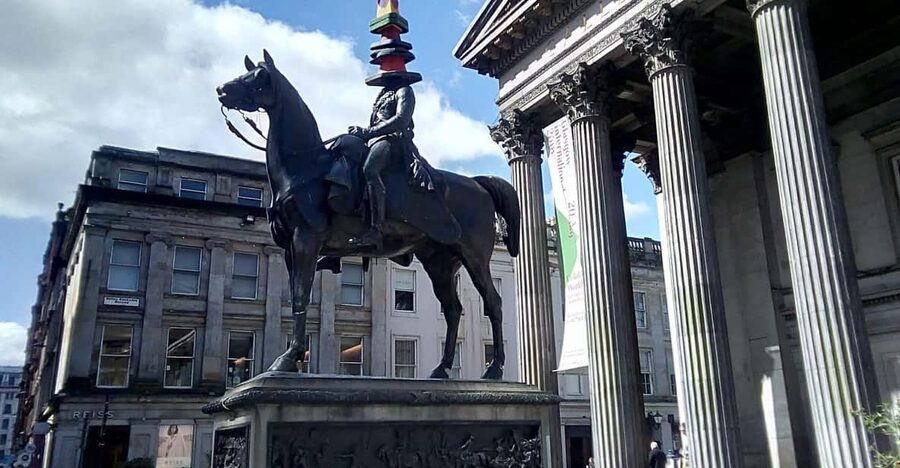
The Duke of Wellington statue is one of Glasgow’s best-known pieces of public humor. The statue shows the military figure on horseback, while the traffic cone on his head reflects a long-running local tradition.
Johnny explains the story behind the cone and the way Glaswegians have turned a formal monument into a source of fun. You get time for a photograph, but the point is larger than the joke. It shows Glasgow’s habit of treating grand authority with a raised eyebrow.
This is an excellent early stop because it sets the tone. You can expect facts, but not a solemn lecture. The tour makes room for humor and local character, which helps the city feel more approachable.
Buchanan Street, George Square, and civic Glasgow
Buchanan Street is the city’s main shopping avenue and is described as Britain’s top shopping street outside London. The walk uses it to show a modern side of Glasgow, then adds a political story about the city’s opposition to apartheid South Africa.
That connection gives the street more weight than its shops alone suggest. You hear how Glasgow’s civic identity has been shaped by public action and political principles, not only by trade and money. It is a useful reminder that city history is also about decisions made by citizens and institutions.
From Buchanan Street, the route continues to George Square, the civic heart of Glasgow. This is where you can admire the Glasgow City Chambers, one of northern Europe’s most impressive municipal buildings. The architecture gives Johnny a chance to explain how Glasgow presented itself as a major city.
Keep an eye on the rooftops. One of the tour’s playful details is a ship up above the street, an object easy to miss if you only look at the obvious monuments. Small observations like this are part of the appeal: you finish the walk seeing more of the city around you.
Georgian Trades Hall and an Art Deco surprise
Glasgow’s Trades Hall is easy to overlook if you are rushing between George Square and the older streets. On this tour, it becomes a stop with its own story, including the tale of a club where gluttony was celebrated.
The story adds a human edge to Georgian architecture. Rather than treating the building as a polished façade, Johnny uses it to talk about social life, status, appetite, and the habits of past Glasgow. The subject is memorable because it is odd and specific.
Next comes an Art Deco interior described as the only public Art Deco interior in Glasgow city centre. Access and viewing details can depend on the day, but the stop adds welcome variety to the route. Glasgow is often praised for Victorian and medieval architecture, yet this visit shows that the city centre has other design periods worth noticing.
I especially like this part of the route for travelers who enjoy buildings but do not want a standard architecture lecture. The stops are short enough to keep the walk moving, while the stories give the details a reason to matter.
Same country, a completely different kind of day out:
- Glasgow: Celtic Park Stadium Tour
★ 4.9 · 3,336 reviews - Guided Celtic Park Stadium Tour
★ 5.0 · 3,136 reviews - Glasgow: City Sightseeing Hop-On Hop-Off Bus Tour
★ 4.5 · 3,095 reviews - From Glasgow: Oban, Glencoe, Highland Lochs & Castles Tour
★ 4.9 · 2,123 reviews
Hutcheson’s Hall and the shift from commerce to industry
At Hutcheson’s Hall, Johnny traces Glasgow’s change from a commercial centre into an industrial powerhouse. This is one of the most useful historical transitions on the walk because it helps connect the buildings you have already seen with the city’s wider development.
Glasgow’s prosperity did not come from one source or arrive all at once. The route uses streets and architecture to show how trade, civic ambition, and industry shaped the city. You get a sense of why grand public buildings appeared here and why Glasgow became so important.
The setting also keeps the story grounded. Rather than looking at industrial history from a distance, you are standing among the buildings and streets that reflect the city’s changing fortunes. Johnny’s approach is to explain the past while also pointing out how Glasgow functions now.
Trongate and the old heart of Glasgow
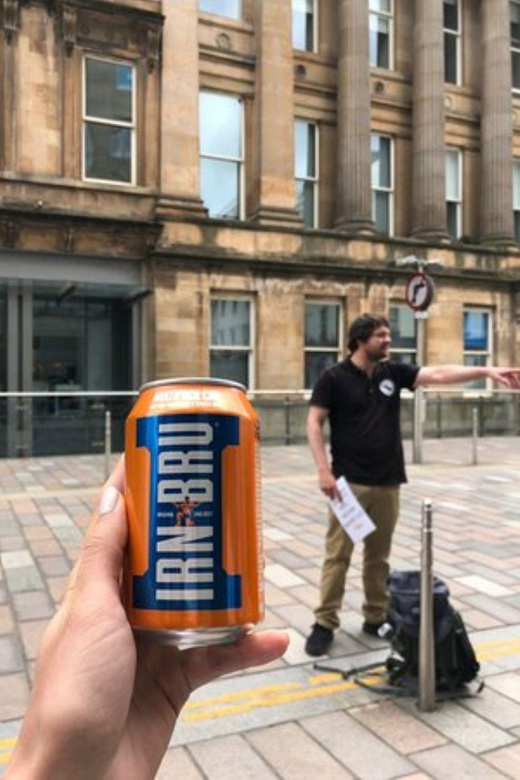
Trongate is one of Glasgow’s ancient thoroughfares. Here, the tour shifts toward entertainment and local stories, including a remarkable old venue that may be accessible if it is open during your visit.
This is one of the itinerary’s variable elements. Entry to the antique music venue is included when the venue is open, but it should not be treated as guaranteed. That uncertainty is worth accepting because the interior offers something different from the outdoor route.
The tour also brings in Glasgow’s haunted side. You hear about haunted locations and a haunted bookstore, although the walk is not simply a ghost tour. Expect supernatural stories alongside architecture, politics, industry, and everyday city life.
That balance matters. If you want a full evening of ghost stories, this may not be the right format. If you like an old building to come with a strange tale, the haunted material adds just enough atmosphere without taking over the tour.
Glasgow Cross and the Tolbooth Steeple
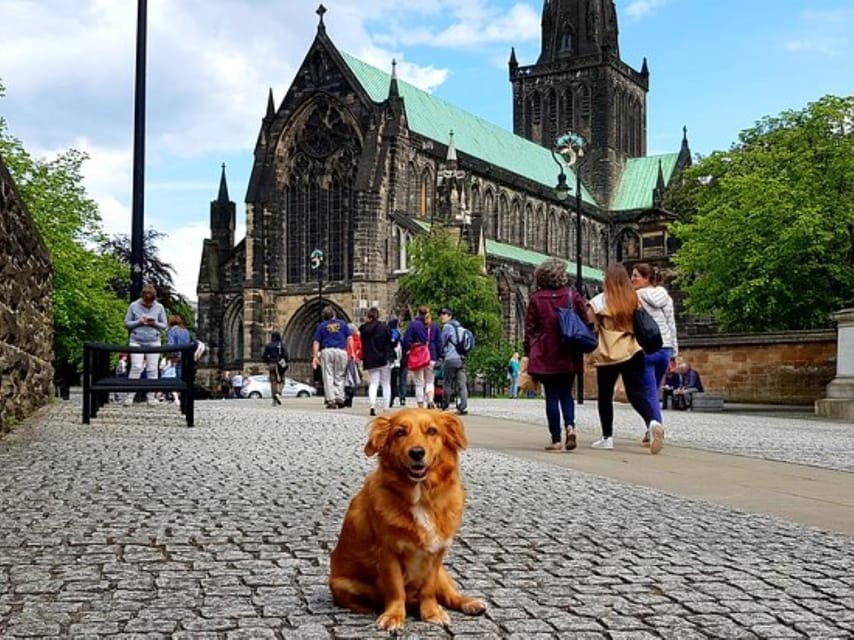
At Glasgow Cross, you stand beneath the 17th-century Tolbooth Steeple. This was the centre of Old Glasgow, and the stop gives the older part of the city a firm sense of place.
The steeple is a reminder that today’s city centre grew from a much smaller settlement organized around ancient routes and civic buildings. Johnny uses the location to tell some of the more eye-popping stories of old Glasgow.
This section may appeal most to people who enjoy seeing how a city changed over time. You are not simply moving from one photo stop to the next. The walk keeps returning to the question of how Glasgow grew, what it valued, and how its people lived.
High Street, street art, and a fried local recommendation
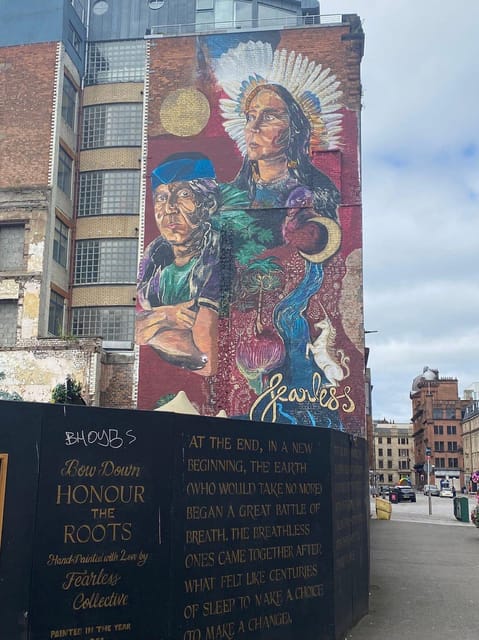
High Street is the city’s main ancient thoroughfare, and the tour uses it for both history and local flavor. You see a striking face with a grand story behind it, then receive a recommendation for a quintessential Scottish deep-fried delicacy.
The food advice is practical, especially if you want to try something associated with Scotland without searching through a guidebook. Johnny’s recommendations cover more than food. He can point you toward pubs, museums, parks, day trips, and other places that suit different interests.
On the High Street mural stop, you spot one of Glasgow’s most celebrated pieces of street art. It features a famous son of the city and is cleverly worked into its surroundings. This is the kind of art you might pass without noticing if you do not know where to look.
I like the way the tour treats street art as part of Glasgow’s identity rather than as decoration added to the old city. The route shows that Glasgow’s culture is still being made in public spaces.
Provand’s Lordship and the oldest house in Glasgow
Provand’s Lordship is Glasgow’s oldest house, dating from the 15th century. After the grand City Chambers and later urban buildings, this stop brings you close to the city’s medieval past.
Johnny also points out four unusual buildings nearby. One is rumored to help with inter-dimensional travel, a suitably strange detail for a route that includes haunted stories and eccentric local history. The story is best taken as local lore, but it gives the surrounding streets a sense of mystery.
This is a good place to pause and compare the different Glasgows you have seen. The city includes medieval remains, Georgian institutions, industrial-era ambition, Art Deco design, contemporary murals, and modern public life. The tour’s strength is the way it places those periods close together.
Finishing at Glasgow Cathedral and the Necropolis
The walk ends at Glasgow Cathedral, the route’s architectural high point. This medieval Scottish Gothic cathedral is framed by the Victorian Necropolis, often called the city of the dead.
It is a fitting finish because the cathedral and Necropolis bring together religion, architecture, memory, and Glasgow’s long civic story. The ending also gives you a useful next step. You can continue exploring the cathedral area, look toward the Necropolis, or use Johnny’s suggestions to plan the rest of your time.
The route finishes at a major sight, but it does not attempt to cover all of Glasgow. That is important to understand before booking. The walk focuses on the city centre and its eastern historic core, so you will still need separate time for other parts of Glasgow and its museums.
Why Johnny’s recommendations add real value
The strongest feature of this tour is not simply the number of stops. It is Johnny’s role as a local guide who can connect the history to your own plans.
He answers questions during the walk and offers suggestions for:
- Pubs and places to eat
- Museums and galleries
- Parks
- Day trips
- Activities for different interests
- Ideas suited to the time you have in Glasgow
The recommendations can continue after the walk through a detailed follow-up list. This is especially useful if you have only a short stay. A visitor with 27 or 48 hours in Glasgow can use the tour to decide what deserves the remaining time, while someone staying longer can build a fuller plan.
I would book this near the beginning of your stay rather than at the end. The advice is more useful when you still have time to act on it. The walk also gives you a basic map of the city centre, making later visits to museums, pubs, or historic streets easier.
Pace, access, and value at $16
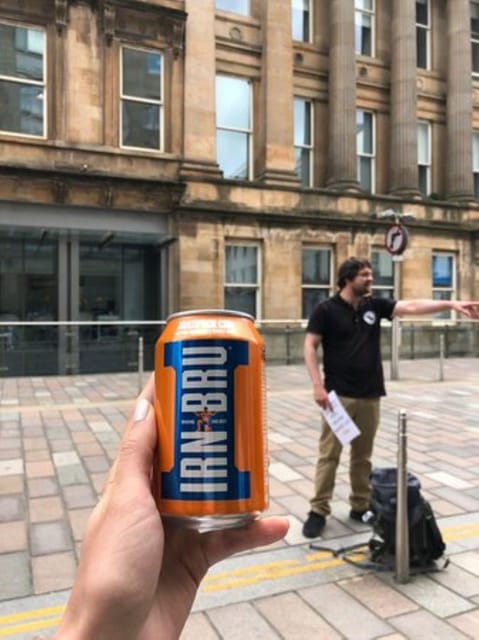
The price is $16 per person, and the duration is three hours. For a live guided walk covering 13 stops, that is strong value, particularly because a taste of a classic Scottish soft drink is included and entry to the antique music venue is free when it is open.
The walk is described as accessible for wheelchair users. It moves at a leisurely pace, but the route is still substantial, and one portion includes a slight hill. You should wear comfortable shoes and be ready for Glasgow weather. Rain did not stop the tour from running well, but it can make any three-hour walk feel longer.
The group can feel small and personal, though group size may vary. That format makes it easier to ask Johnny about a special interest, and he makes a point of speaking with people individually. Non-native English speakers have found the explanations easy to follow, which is useful for a history-heavy tour.
Free cancellation up to 24 hours before the start and the option to reserve now and pay later add flexibility. Starting times vary, so check availability when you book.
Who should book the Glasgow Gander tour?
I would choose this walk if you are visiting Glasgow for the first time and want an introduction that goes beyond the standard monuments. It also suits repeat visitors and even locals who enjoy hearing overlooked stories about familiar streets.
The tour is a particularly good fit for you if you enjoy:
- Local history told through buildings and streets
- Architecture with amusing human stories
- Street art and modern city culture
- Haunted tales used as a side theme
- Personal advice on pubs, museums, and day trips
- A steady walk with frequent stops
Families can also benefit from the mix of statues, murals, odd stories, and visual details. The supplied information includes an example of Johnny tailoring suggestions for a family with an eight-year-old child, though the route remains a three-hour city walk rather than a child-specific tour.
You may want another option if you dislike walking for several hours, need a tour focused only on ghosts, or want to see attractions spread across the whole city. This route concentrates on central Glasgow and gives you context rather than a long list of interior visits.
FAQ
Where does the Glasgow Gander Walking Tour meet?
Meet outside Costa Coffee in Royal Exchange Square, next to the Gallery of Modern Art and the Duke of Wellington statue with the cone on its head. The meeting point is not George Square.
How long does the tour last?
The walking tour lasts three hours.
How much does the tour cost?
The listed price is $16 per person.
Who leads the tour?
The tour is led by Johnny, a local Glaswegian guide associated with Glasgow Gander Walking Tours.
What language is the tour in?
The live guided tour is conducted in English.
Is the tour wheelchair accessible?
Yes, the activity is listed as wheelchair accessible.
Is entry to the antique music venue guaranteed?
No. Free entry is included if the venue is open, so access is subject to availability.
Is anything included besides the walking tour?
You receive a guided Glasgow city-centre walk, possible free entry to the antique music venue, and a taste of a quintessential Scottish soft drink.
Can I cancel the booking?
Yes. You can cancel up to 24 hours in advance for a full refund. You can also reserve now and pay later.
Should you book it?
At $16, I think this is an easy choice for most first-time visitors to Glasgow. Johnny’s enthusiasm, personal recommendations, and ability to link medieval buildings, industrial history, street art, food, music, and local humor make the three hours useful both during the walk and afterward.
Book it early in your stay, bring weatherproof clothing, and expect a real walking tour rather than a quick photo loop. If you want to understand central Glasgow and leave with a practical list of things to do next, the Glasgow Gander is a smart, good-value introduction.
Just added around Glasgow
- Glasgow: Mountains, Glens & The Loch Ness Monster Day Tour★ 4.8 · 8 reviews
- Private Harry Potter, Glenfinnan Viaduct, Highlands tour Glasgow★ 5.0 · 8 reviews
- From Glasgow: Castles, Clans & Outlander Day Tour★ 4.8 · 8 reviews
- Edinburgh Custom Private Walking Tour With A Guide (Private Tour)★ 4.5 · 8 reviews
- From Glasgow; Loch Lomond and Highlands Private Day Tour★ 5.0 · 9 reviews
- Loch Lomond, Inveraray and Argyll Private Tour from Glasgow★ 5.0 · 9 reviews
- Fun and Flexible Treasure Hunt Around Glasgow with Cryptic Clues★ 5.0 · 9 reviews
- Fun Glasgow City Centre Walking Tour Guided★ 5.0 · 9 reviews
Glasgow Tours, compared.


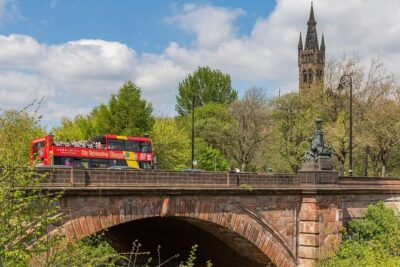
City Sightseeing Glasgow Hop-On Hop-Off Bus Tour
Read our review →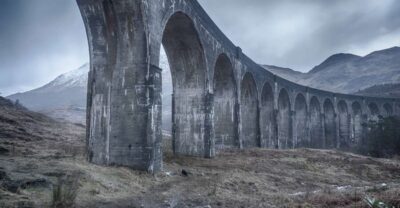
Glenfinnan, Fort William, and Glencoe Day Trip
Read our review →

Loch Ness, Glencoe and Highlands Tour with Cruise
Read our review →
Browse the lists this tour appears in