
Reviewed · GLASGOW TOURS
Glasgow: Must-See Attractions Guided Walking Tour
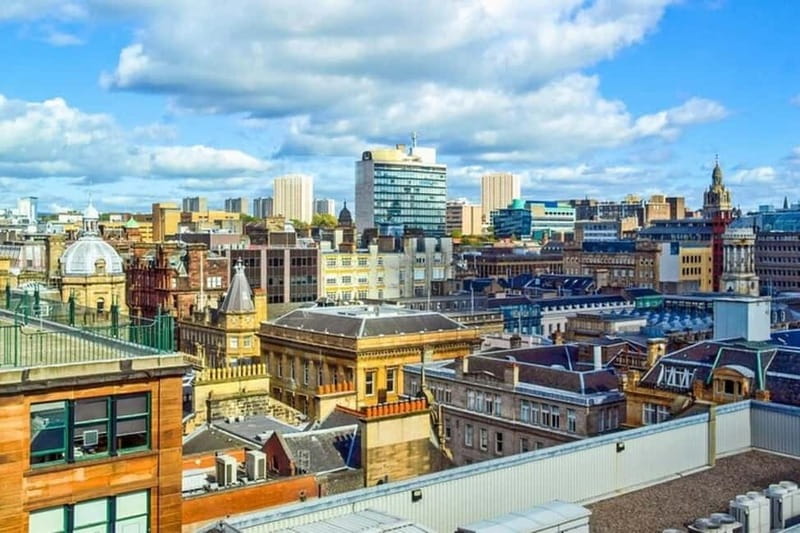
Glasgow’s best sights are spread across several parts of the city, and this three-hour walking tour links them into one useful first look. You begin at George Square, pass the Cathedral and Necropolis, wander through Merchant City, follow the River Clyde, and finish near the Gallery of Modern Art.
I like the choice between a shared group and a private customizable tour, plus the chance to ask for advice about the rest of your stay. I also like the range of guide languages and the stop at the Duke of Wellington statue, one of Glasgow’s funniest and most telling city symbols. The main caution is that the tour can cover a lot of ground without always giving every place much historical detail.
Key points about the Glasgow walking tour
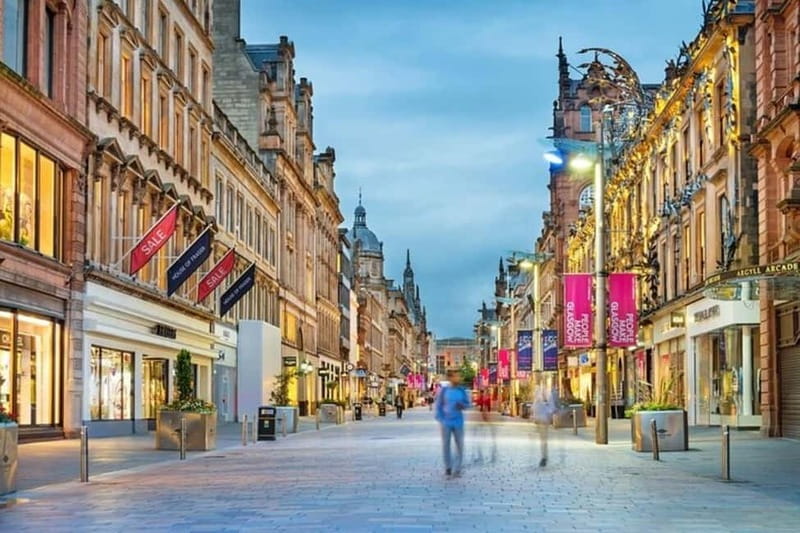
- Three hours on foot: Cover several central areas, from George Square to the River Clyde and Buchanan Street.
- A broad first look at Glasgow: See the Cathedral, Necropolis, Merchant City, People’s Palace, and Gallery of Modern Art.
- Choice of tour style: Book a shared group for a lower-key introduction or a private group for a more flexible route.
- A guide-led city overview: Ask for practical advice about other things to do after the walk.
- Four guide languages: Tours are available in English, Spanish, Italian, and French.
- Danny’s engaging approach: If Danny is assigned to your tour, expect lively anecdotes and room for questions and route changes.
Starting at George Square, Glasgow’s civic heart
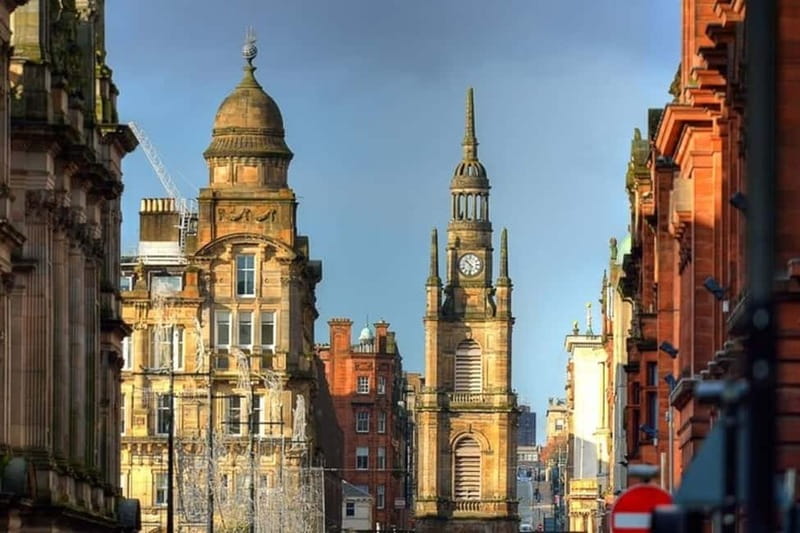
The walk begins at George Square, the city’s main civic gathering place. It is a sensible meeting point because it gives you an immediate feel for Glasgow’s scale, architecture, and public life before you head into older districts.
Your guide uses the square to introduce the city and explain the meaning behind People Make Glasgow. That slogan works best here, where grand buildings and statues share space with ordinary city traffic and daily routines. You are not simply ticking off monuments. You are beginning to see how Glasgow presents itself: proud, direct, and a little playful.
A guide can also help you get your bearings at this early stage. Glasgow is easy enough to walk around, but its major sights are not all clustered beside one another. A broad route like this can save you time during the rest of your visit, especially if you are in the city for only a day or two.
The exact meeting point can vary with the option you book, so check your confirmation before setting out. Since the tour ends back at the meeting point, you can plan the rest of your day around the same central area.
More Walking Tours in Glasgow
- Glasgow City Centre Walking Tour with Local Guide
★ 5.0 · 1,326 reviews - Glasgow: Ghouls, Ghosts & Gruesome Tales Guided Walking Tour
★ 4.9 · 887 reviews - Glasgow: City Center Guided Walking Tour
★ 4.7 · 759 reviews
Glasgow Cathedral and the Necropolis
The Cathedral and Necropolis provide the tour’s strongest historical section. Glasgow Cathedral is one of the city’s most important landmarks, while the Necropolis gives you a different view of Glasgow’s past from its elevated cemetery setting.
You can expect your guide to explain the significance of both places as you walk through this older part of the city. The cathedral offers architectural detail and a sense of Glasgow’s religious past. The Necropolis adds stories connected with the people and institutions that shaped the city.
This part of the route is especially useful if you are new to Glasgow and want more than modern shopping streets. It places the city in a longer story, before the shipyards, Victorian buildings, and present-day cultural life take over.
There is one limitation. A walking tour has a fixed schedule, and the information at each stop may be fairly brief. One person found the overall route complete but wanted more history, anecdotes, and cultural explanation. That is a fair warning. You will see important places, but the depth of the commentary may depend heavily on your guide and on how many questions you ask.
If you want more detail, use the stops as prompts. Ask about the cathedral’s place in Glasgow, the Necropolis, and the people connected with the city’s past. A strong guide can turn a quick look into a much more useful lesson.
Merchant City murals and the Tolbooth Steeple
The route continues into Merchant City, one of central Glasgow’s most characterful areas. The district combines older buildings, modern restaurants and shops, and a series of large murals that add color to the streets.
The murals help keep the walk from becoming a parade of stone facades. They show how Glasgow uses public art to tell stories and brighten its city center. Your guide can point out details you might otherwise pass without noticing, then connect the artwork with the area’s older commercial role.
The Tolbooth Steeple brings the focus back to civic history. This historic landmark is a reminder that Glasgow’s past is not confined to museums. Important stories sit at street corners, above shopfronts, and along routes people use every day.
Merchant City is also a good place to ask for food and evening suggestions, though food and drinks are not included. The tour itself does not promise a meal stop, so treat this portion as a walking and orientation segment rather than a dining experience.
The shared option may suit you if you want a general introduction without paying for a full private route. If you prefer to pause at murals, ask extra questions, or set the pace around your interests, the private option should give you more room to shape the walk.
St Andrew’s Square and the People’s Palace
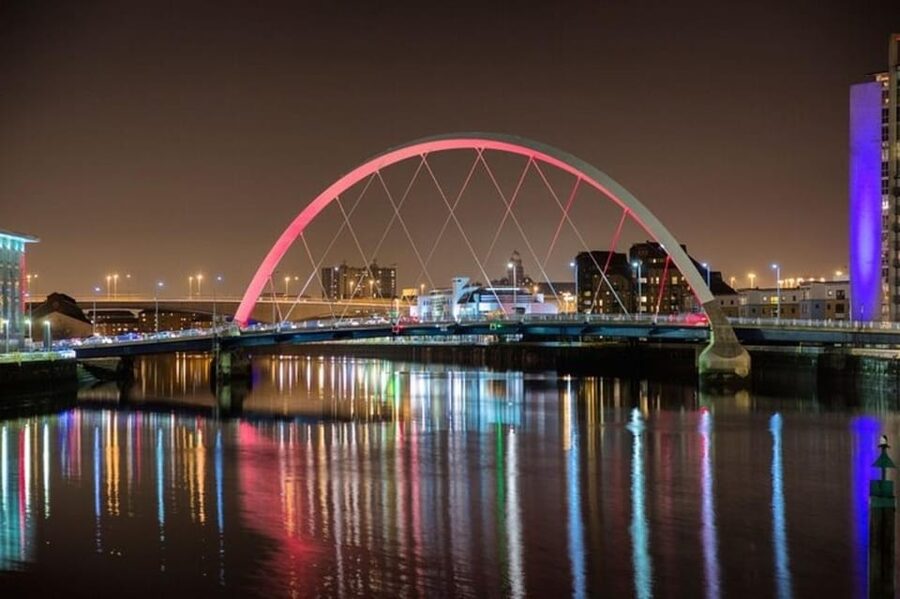
At St Andrew’s in the Square, the guide introduces Scottish traditions and the role of the building in Glasgow’s civic and cultural life. This stop widens the tour beyond architecture. It gives you a chance to think about local customs and public identity, not just dates and famous facades.
You then continue toward the People’s Palace and Winter Gardens. The People’s Palace is tied closely to Glasgow’s social history, while the Winter Gardens add a lighter visual change to the route.
The pairing is useful because it shows two sides of the city. One is focused on people, work, and community life. The other offers a more relaxed setting with plants and glass architecture. You get a better sense of Glasgow as a lived-in city rather than a collection of grand attractions.
The supplied information does not promise entry into every building, so do not assume the walking tour includes interior visits. The emphasis is on seeing the places and hearing about them from the guide. If a particular interior matters to you, ask the guide about it during the walk and plan a separate visit if needed.
Same country, a completely different kind of day out:
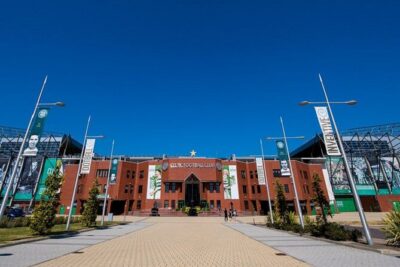
- Glasgow: Celtic Park Stadium Tour
★ 4.9 · 3,336 reviews - Guided Celtic Park Stadium Tour
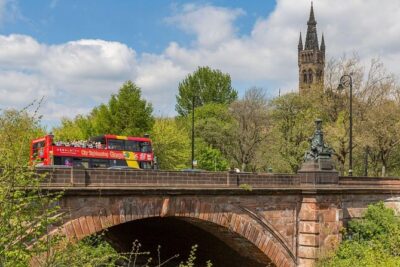
★ 5.0 · 3,136 reviews - Glasgow: City Sightseeing Hop-On Hop-Off Bus Tour
★ 4.5 · 3,095 reviews - From Glasgow: Oban, Glencoe, Highland Lochs & Castles Tour
★ 4.9 · 2,123 reviews
The River Clyde and Glasgow’s shipbuilding past
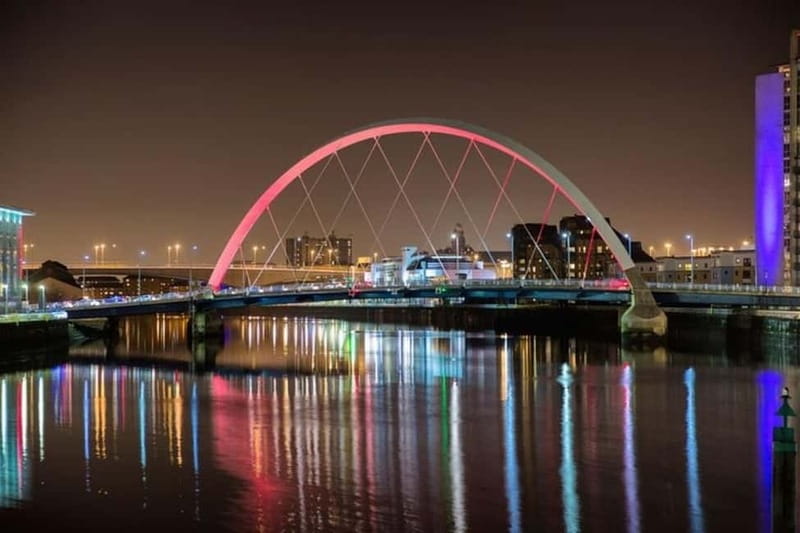
The route reaches the River Clyde, where your guide discusses Glasgow’s shipbuilding heritage. This is one of the most important pieces of context in the whole experience because the river helps explain the city’s growth, work, and reputation.
The Clyde is more than a waterside view. It connects Glasgow’s industrial story with the people who built ships and supported the city’s economy. Even a short explanation here can help you understand why Glasgow looks and feels different from other Scottish cities.
I like this part because it shifts the tour from monuments to work. You see how geography and industry shaped the city, and why the river remains such an important reference point in Glasgow’s identity.
The route’s broad scope does mean you should expect a city overview rather than a specialist shipbuilding lecture. If this subject interests you, ask for recommendations for further museums, sites, or reading. One of the tour’s practical strengths is that the guide can suggest what to do next.
Victorian style on Buchanan Street
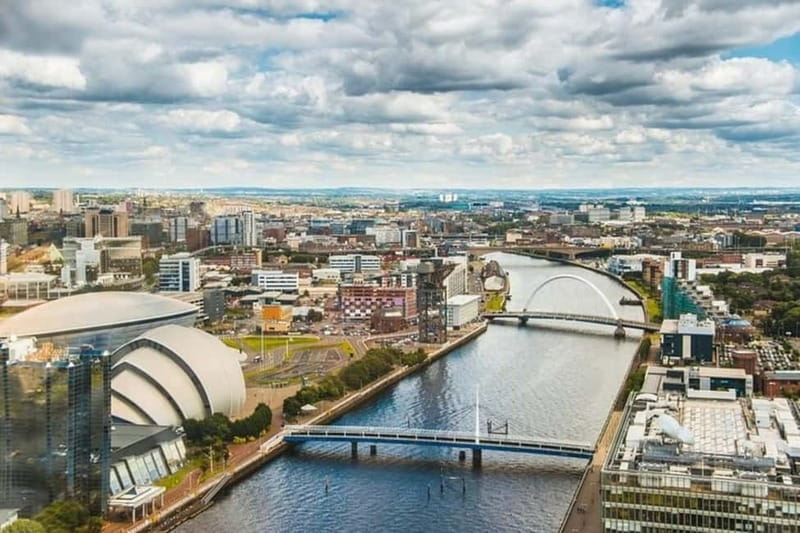
Buchanan Street brings you back into the commercial center. Its Victorian architecture gives the final part of the route a polished, urban feel, with impressive buildings lining one of Glasgow’s main shopping streets.
This is a useful contrast with the Cathedral, Merchant City, and Clyde. Instead of seeing Glasgow as only medieval, industrial, or civic, you see the city’s later confidence and wealth expressed through grand urban design.
Buchanan Street is also a practical location for the end of a walking tour. You are near shops, central streets, and other places you may want to explore on your own. The tour does not include food or drinks, but finishing here gives you plenty of options for an independent break.
The walking distance matters. Three hours on city streets can be tiring, especially if you want to keep up with the group and stop often for photos. Wear comfortable shoes and bring weather protection. The activity is wheelchair accessible, but the guide can best advise on the specific route and any street conditions for your chosen departure.
The cone-topped Duke of Wellington statue
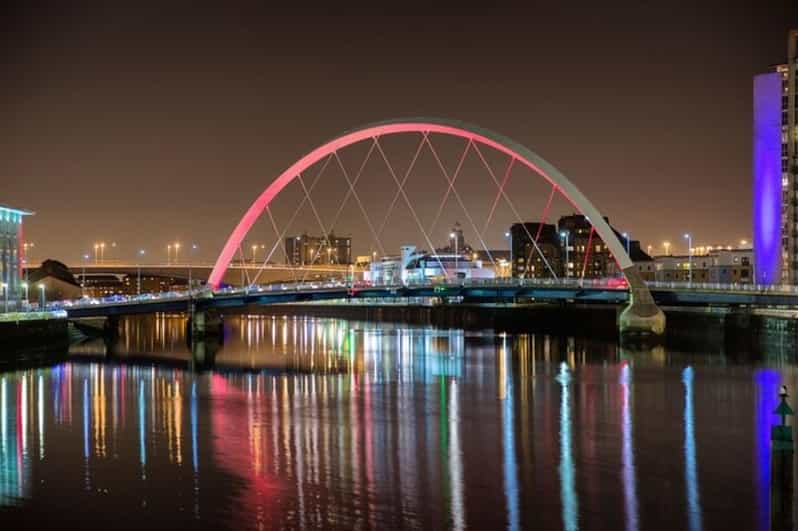
The final stop is outside the Gallery of Modern Art, beside Glasgow’s famous Duke of Wellington statue. The statue is known for its traffic cone, a small piece of local mischief that has become part of the city’s public image.
This is a fitting ending because it captures Glasgow’s humor and independent streak. After several hours of cathedrals, civic buildings, industry, and Victorian architecture, the cone brings the tour back to everyday Glasgow. It is easy to photograph, easy to remember, and useful as a marker when you return to explore the city center.
The Gallery of Modern Art also gives you a natural next stop if you want to continue your day. The tour ends outside, so admission is not listed as part of the experience. You can decide for yourself if you want to go in, browse nearby streets, or stop for a meal.
Shared group or private tour?
The shared group tour is the straightforward choice for a first visit. You receive a planned route, a guide, and company while you see the main sights. At $34 per person, it can be good value if you want a city orientation without arranging several separate visits.
The private option makes more sense for families, couples, or small groups with particular interests. You can ask for more time on subjects such as the Cathedral, shipbuilding, murals, Scottish traditions, or modern Glasgow. The private format is also better if you want to adjust the pace or route.
The available information does not give a maximum group size, so group atmosphere and walking pace may vary. If you prefer plenty of questions and personal attention, private booking is the safer choice. If your priority is seeing a wide range of sights at a lower per-person cost, shared touring may be enough.
Guide quality matters here. Danny received especially warm praise for captivating anecdotes, useful knowledge, and a flexible three-hour format that allowed questions and changes to the itinerary. The experience can be much stronger when the guide adds stories rather than simply naming buildings.
At the same time, one lower rating points to a real risk: a complete route is not automatically a deeply explained route. I would book this tour expecting a strong overview, then make the most of it by asking questions and noting the places you want to revisit.
What the $34 price gives you
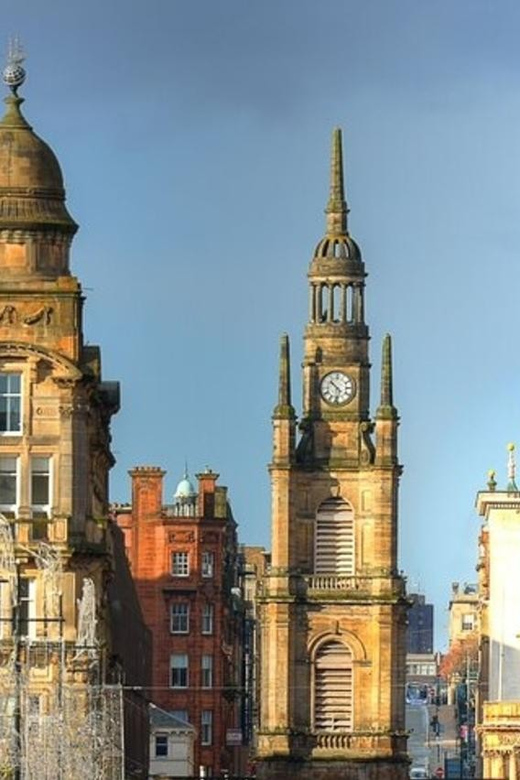
At $34 per person, the price covers the guided walking tour and the guide. It does not include food or drinks, transport, or stated admission to attractions.
The value comes from the amount of ground covered and the time saved planning your own route. In three hours, you see the city’s civic center, religious landmarks, cemetery, murals, historic steeple, cultural buildings, river, shopping street, and modern art district. Recreating that route on your own is possible, but you would lose the connecting stories and local suggestions.
The price is less compelling if you want extended time inside buildings or detailed specialist history. This is not presented as a museum tour or an academic lecture. Think of it as a guided introduction that helps you decide where to spend the rest of your visit.
I would particularly value it on a first morning in Glasgow. The route can show you which districts deserve a second look and give you a list of ideas for later. If you already know central Glasgow well, the private format is more likely to justify the cost because you can shape the discussion around your interests.
Languages, timing, and practical planning
The tour runs for three hours, with starting times shown according to availability. Check the departure time and meeting point for the exact option you select, since the meeting location may vary.
Guiding is available in English, Spanish, Italian, and French. That choice can make a real difference on a history-focused walk, especially when you want to ask questions about local customs, architecture, or the city’s industrial past.
You do not need to arrange transport between the listed sights. The experience is on foot and returns to the meeting point. Plan for a continuous city walk, and leave enough energy for the rest of your day.
The tour is wheelchair accessible. Still, if you have specific mobility needs, confirm the route details when booking, since a walking itinerary through several city districts can involve different street surfaces and inclines.
You can cancel up to 24 hours before the activity for a full refund, and the reserve-now, pay-later option lets you keep your plans flexible. Those terms are useful if your Glasgow schedule may change.
Who will get the most from this tour?
I would recommend it to first-time visitors who want a clear introduction before exploring independently. It also suits people with limited time, since the route covers a wide range of Glasgow sights in one session.
The tour is a good fit if you enjoy asking questions and hearing local stories. Danny’s approach, with anecdotes and room to adapt the itinerary, shows how much better the experience can become when you engage with the guide.
Families and private groups may prefer the customizable option. You can keep the pace comfortable, focus on the subjects that interest you, and avoid spending equal time at places that do not appeal to everyone.
I would be more cautious if your main goal is detailed historical interpretation at every stop. The route is broad, and one piece of feedback describes it as complete but short on history, anecdotes, and culture. In that case, use this as your orientation walk, then follow it with focused visits to the places that catch your attention.
Should you book the Glasgow Must-See Attractions Guided Walking Tour?
Book it if you want to see a lot of Glasgow quickly, understand how the central districts connect, and leave with practical ideas for the rest of your visit. The Cathedral, Necropolis, Merchant City, Clyde, Buchanan Street, and cone-topped Duke of Wellington statue give you a well-rounded first look.
Choose the private option if personal attention and flexible pacing matter most. Choose the shared tour if you want a reasonably priced introduction and do not need a specialist lecture.
My advice is to treat the tour as a foundation, not the entire Glasgow experience. Ask questions, wear good shoes, and write down the guide’s suggestions. Done that way, the three hours can save you time and help you decide where Glasgow deserves a closer look.
FAQ
How long does the Glasgow walking tour last?
The tour lasts three hours.
Where does the tour start?
The starting meeting point may vary depending on the option booked. Check the details for your selected tour before arriving.
Where does the tour end?
The activity ends back at the meeting point.
Which sights are included on the route?
The route includes George Square, Glasgow Cathedral, the Necropolis, Merchant City, the Tolbooth Steeple, St Andrew’s in the Square, the People’s Palace and Winter Gardens, the River Clyde, Buchanan Street, and the Gallery of Modern Art with its Duke of Wellington statue.
Is the tour available in languages other than English?
Yes. Live guiding is available in English, Spanish, Italian, and French.
Can I book a private tour?
Yes. You can choose a private group option or a shared group tour.
Is the walking tour wheelchair accessible?
Yes, the activity is listed as wheelchair accessible.
Just added around Glasgow
- Balloch: Standing Stones, Castles & Highlands Tour★ 5.0 · 3 reviews
- 3 Day Isle of Skye Eilean Donan Castle and Loch Ness Tour★ 5.0 · 3 reviews
- Pints & Past: Glasgow Pub Tour Private Tour★ 5.0 · 3 reviews
- Glasgow: Glencoe & Oban Privately Guided Day Tour in Luxury MPV★ 5.0 · 3 reviews
- Jacobites and Scottish Highlands Day Tour from Glasgow★ 4.5 · 3 reviews
- Glasgow: Sample Fine & Rare Whiskies at Glengoyne Distillery★ 5.0 · 3 reviews
- The Scottish Highlands Photography Tour & Workshop★ 5.0 · 3 reviews
- Glasgow: Kentuck-Tea, A twist on afternoon tea★ 5.0 · 3 reviews
Glasgow Tours, compared.

City Sightseeing Glasgow Hop-On Hop-Off Bus Tour
Read our review →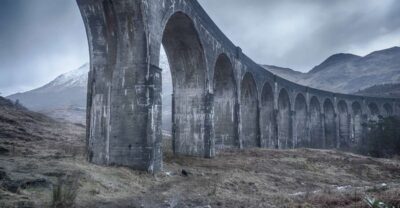
Glenfinnan, Fort William, and Glencoe Day Trip
Read our review →

Loch Ness, Glencoe and Highlands Tour with Cruise
Read our review →
Browse the lists this tour appears in