
Reviewed · GLASGOW TOURS
Merchant City: Past and Present Music Tour
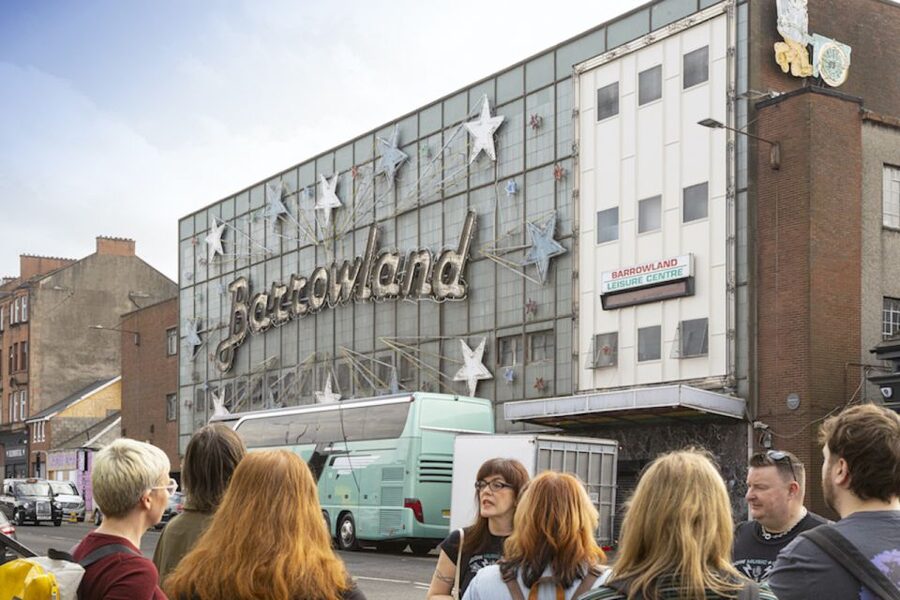
Glasgow’s music story is written into its streets, and this two-hour walk finds it in old halls, beloved pubs, and venues that still matter. Starting outside The Clutha, you follow the city’s East End and Merchant City toward the Barrowland Ballroom, the Britannia Panopticon, and the Barrowland Pathway before finishing at Mono Café Bar.
I like the mix of major venues and lesser-known corners, and I like that the guides come from Glasgow’s music world as musicians and journalists. Phil has earned praise for his wit, kindness, and command of the subject, while Fiona has led a friendly, funny tour. The main caution is that the talk can move quickly through bands and scenes, so you may feel out of your depth if you do not know much about Glasgow music or its newer acts.
Key points to know before you book
- Britannia Panopticon is the star stop: Entry to Britain’s oldest surviving music hall is included.
- The Barrowland Ballroom gets proper attention: You hear tales of its performers, past, and place in Glasgow’s live scene.
- The route avoids the standard tourist trail: It uses old streets in Merchant City and the East End.
- The stories cover many sounds: Expect folk, punk, pop, rock, music halls, and newer grassroots venues.
- The guide shapes the experience: Phil and Fiona have led highly praised outings, with humor and personal knowledge of Glasgow’s scene.
- Comfort matters: The walk includes stairs and inclines, so wear flat shoes and bring waterproof clothing.
Why this Glasgow music walk feels different
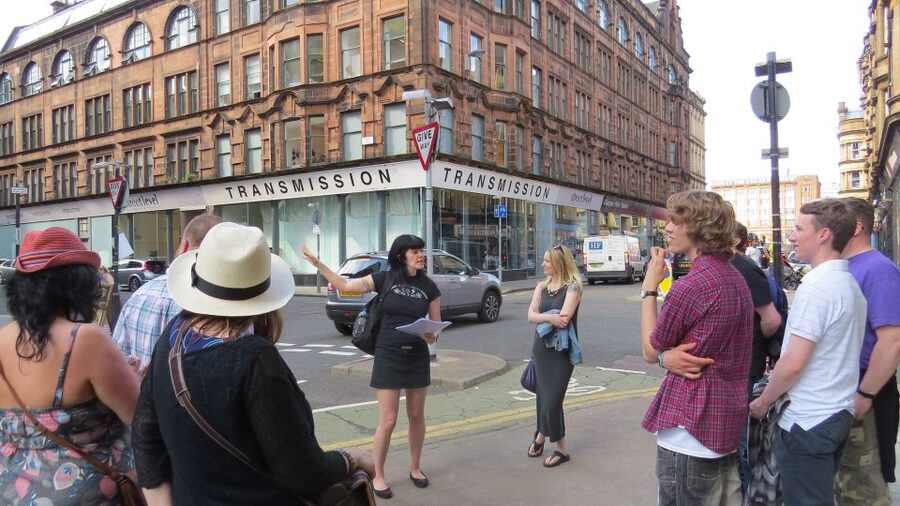
Many city tours point out handsome buildings and famous names, then move along. This one uses music as the key to reading Glasgow. You are not simply told where a band played. You hear how pubs, halls, art spaces, and rough-edged clubs helped musicians find an audience.
That gives the walk a useful sense of place. Merchant City becomes more than restored streets and restaurants. The East End becomes more than a route toward the football grounds or city center. The guide connects the places to the people who used them, from folk singers and music-hall performers to punk bands and later pop and rock acts.
The tone is informal. Expect tall tales, funny stories, memories of great gigs, and side trips into Glasgow’s art, politics, and wider culture. One Dutch visitor found the guide’s concert suggestion useful enough to shape an enjoyable evening afterward, which tells you something about the practical value of a local guide who knows what is happening beyond the tour itself.
The tour also explains why Glasgow became the United Kingdom’s first UNESCO City of Music. You do not need to be a music expert to follow it. Still, the guide may mention bands from several generations, and a listener who does not know the local scene may occasionally need to let a name pass by and focus on the larger story.
A few more Glasgow days to weigh up
- Glasgow: Celtic Park Stadium Tour
★ 4.9 · 3,336 reviews - Guided Celtic Park Stadium Tour
★ 5.0 · 3,136 reviews - Glasgow: City Sightseeing Hop-On Hop-Off Bus Tour
★ 4.5 · 3,095 reviews
Starting at The Clutha on Stockwell Street
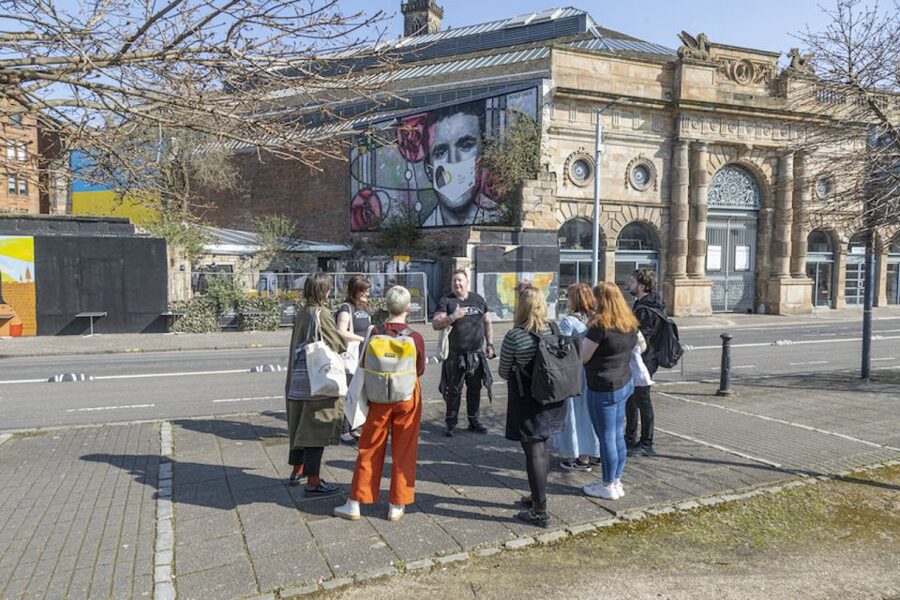
The meeting point is outside The Clutha and Victoria Bar at 167 Stockwell Street, postcode G1 4SP. The Clutha is a fitting place to begin: it is one of Glasgow’s best-loved live music pubs and gives the tour an immediate connection to working music culture rather than polished sightseeing.
From the first minutes, the guide sets the style. This is a walking conversation, not a lecture delivered beside a plaque. You can expect stories about venues, musicians, audiences, and the way the city’s creative communities overlap.
The meeting point also places you close to the older streets of Glasgow. That matters because the route is built around atmosphere and connections. As you walk, the guide helps you notice how a place can be important even when the original stage, sign, or crowd has gone.
Guides vary, but Phil and Fiona have both led this experience. Phil’s approach has been described as witty, kind, and attentive, while Fiona’s tour was praised for its warmth, laughs, and clear information. Those qualities matter here. A music walk works best when the guide can turn a list of names into a story you can follow.
Merchant City and the old Glasgow streets
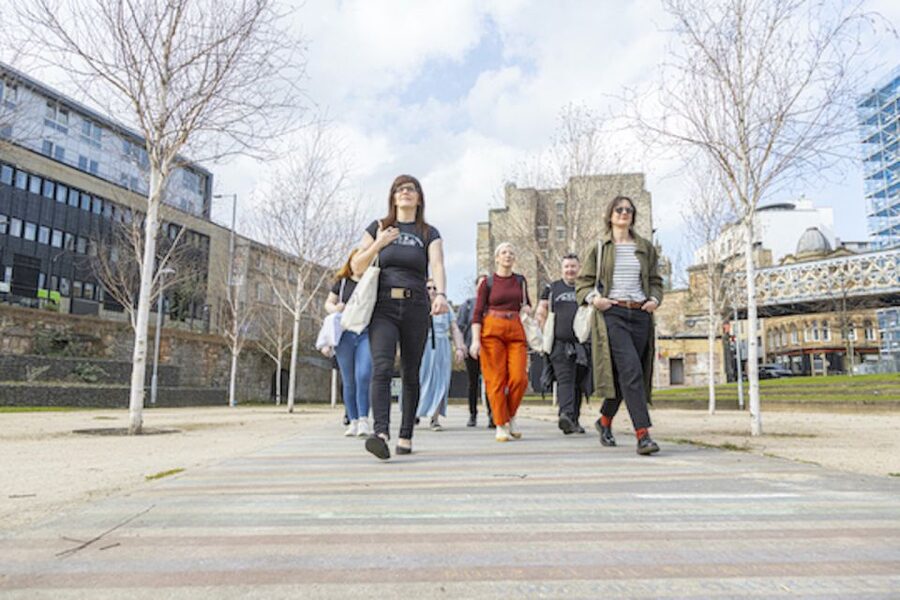
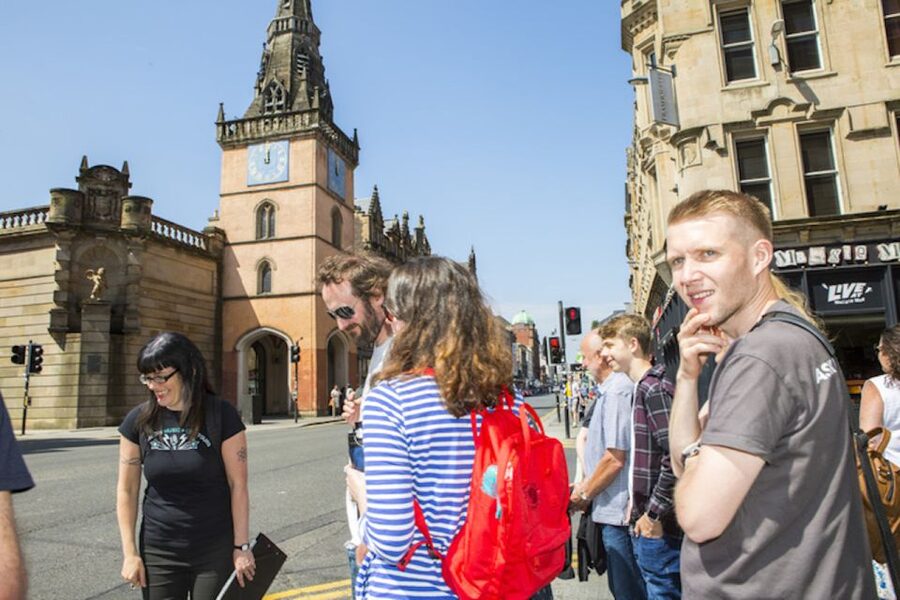
The route moves through Merchant City and the East End, including some of Glasgow’s oldest streets. It deliberately avoids the usual tourist paths, so you get a different look at the center and its creative past.
This section is less about one grand sight and more about links. The guide discusses musicians, music pubs, artists, and venues that helped make this part of town a creative stamping ground. Stan Laurel, Billy Connolly, Simple Minds, and Franz Ferdinand are among the names tied into the area’s story.
Those names also show the range of the tour. It is not only about one decade or one style. Music-hall comedy sits beside folk traditions, punk energy, pop success, and rock performance. You may hear about the relationship between Glasgow’s visual artists and musicians, as well as newer spaces that keep grassroots music alive.
I like this broad approach because it makes the tour useful even if your taste runs in only one direction. A folk fan may learn how the old pubs shaped the scene. A punk or indie fan may care more about later venues and bands. You are likely to get the most from it if you enjoy the links between music and city life, not only a roll call of famous performers.
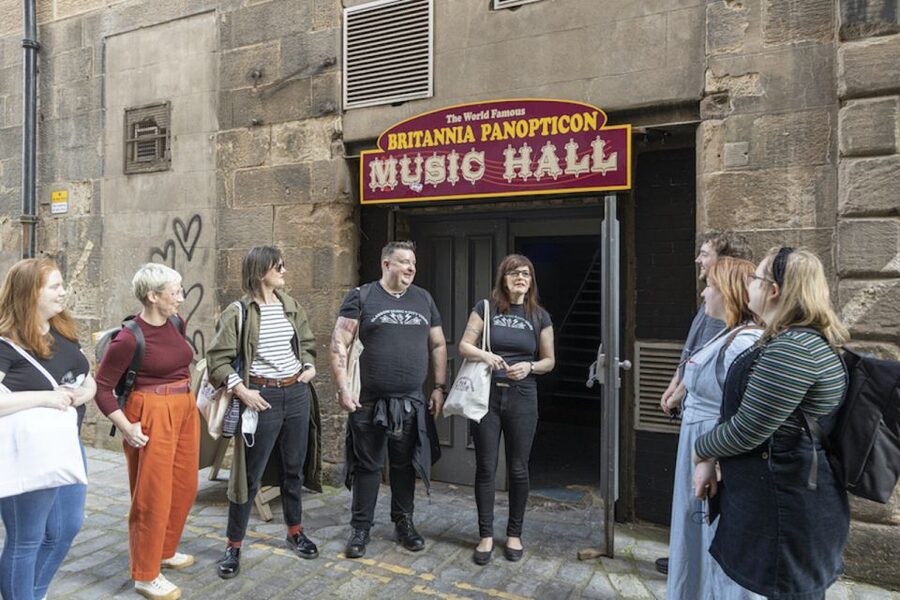
Inside Britannia Panopticon, Britain’s oldest surviving music hall
The included entry to Britannia Panopticon is one of the clearest reasons to book this tour. The venue is presented as the UK’s oldest music hall, and it gives the walk a physical center that many city music tours lack.
Inside, the building helps explain the older performance culture that came before modern concert halls and clubs. The guide places the music hall within Glasgow’s wider entertainment story, then connects that tradition to later performers and venues.
Britannia Panopticon also adds variety. After streets and pub exteriors, you step into a surviving performance space. The room is not just another address attached to a famous name. It is part of the evidence.
Allow a little patience here. Historic venues can feel different from the sleek concert spaces you may know, and the appeal lies in the character of the place. The visit is especially useful for anyone interested in how popular entertainment changed over time.
The tour includes entry, so you do not need to arrange a separate admission for this stop. That makes the $26 price easier to justify, particularly if you would visit the Panopticon on its own.
Same country, a completely different kind of day out:
- From Glasgow: Oban, Glencoe, Highland Lochs & Castles Tour
★ 4.9 · 2,123 reviews - City Sightseeing Glasgow Hop-On Hop-Off Bus Tour
★ 4.5 · 1,873 reviews - From Glasgow: Glenfinnan, Fort William, and Glencoe Day Trip
★ 4.7 · 1,753 reviews - From Glasgow: Loch Ness, Glencoe and the Highlands Tour
★ 4.6 · 1,746 reviews
The Barrowland Ballroom and its musical memory
The Barrowland Ballroom is the big modern name on the route. The guide shares tales of this mighty Glasgow venue and explains why it remains so important to the city’s music identity.
You hear about the people and performances linked to the ballroom, along with the emotional pull of a place where generations have gone to see live music. The focus is not simply on the building as a landmark. It is on what the venue means to performers and audiences.
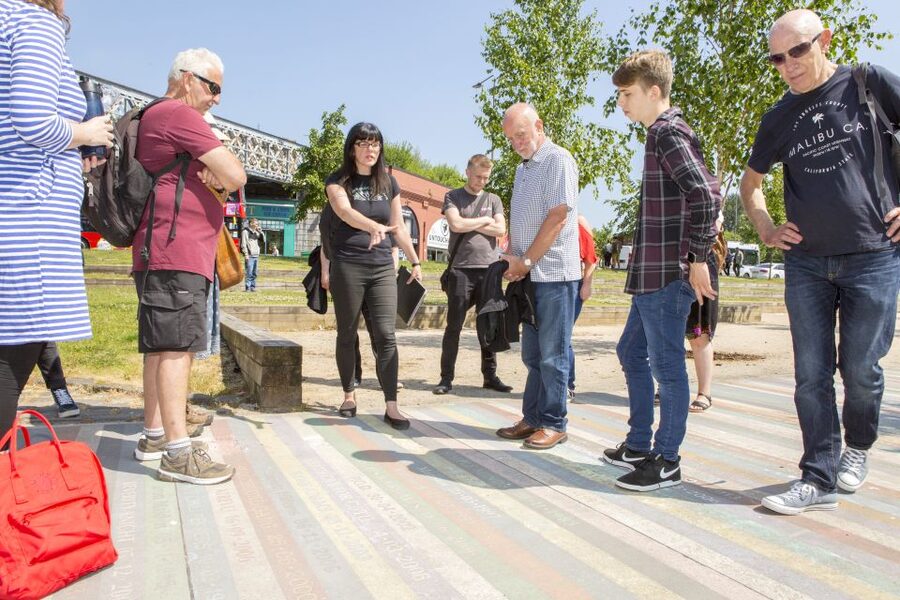
The nearby Barrowland Pathway gives the tour another strong moment. Rather than rushing past the area, you stop and share memories of great gigs. That wording matters: the tour is not only a one-way delivery of facts. It invites you to bring your own concert memories into the conversation.
If you have attended a memorable show, this is a good place to talk about it. If you have not, the guide’s stories still give the stop weight. You can understand why a venue becomes part of a city’s identity through the memories attached to it.
The drawback is that some of the talk may depend on your interest in particular performers or eras. One participant enjoyed the tour but felt out of their depth with some of the bands mentioned. If your music knowledge stops well before current Glasgow acts, do not let that put you off, but expect a few unfamiliar names.
From folk pubs to punk, pop, and grassroots clubs
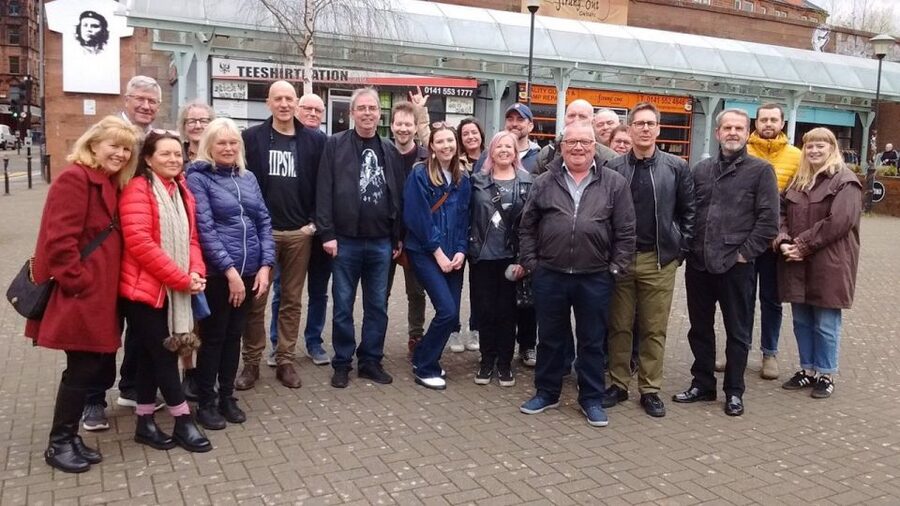
The tour’s most useful feature is its range. You hear about legendary pubs linked to folk music giants, noisy newer venues, and the fertile relationship between visual artists and musicians.
That broad view keeps the experience from becoming a greatest-hits tour. Glasgow’s music life did not grow from one venue or one genre. It developed through pubs, halls, clubs, art spaces, and small rooms where audiences and performers could meet.
The guide also discusses venues that found a new lease of life. That is a valuable angle because cities often lose music places when buildings change use or neighborhoods become more expensive. Here, you get a sense of how older venues remain part of the story and how newer spaces keep the grassroots scene moving.
The balance between past and present is built into the name of the tour. You may hear about an old music hall, then move toward more recent bands and louder clubs. That makes the walk a good choice if you want Glasgow’s music scene as a continuing story rather than a museum piece.
The discussion can include politics, art, and general Glasgow culture. That was a welcome part of the experience for one participant, but it also means the tour is not a narrow technical study of recording history. If you want studio dates, chart positions, and detailed discographies, this is not the right format. If you want people, places, and local character, it fits better.
Finishing at Mono Café Bar
The tour ends at Mono Café Bar, described as a hip and happening place in Merchant City. The finish suits the route because Mono represents the newer side of Glasgow’s creative and music culture.
You are not left at a random street corner after the final story. The ending gives you a place to continue the mood of the walk, though the activity does not state that food or a drink is included. You can use the location as a useful next stop in your own plans.
The ending is also practical for music fans. A good guide may point you toward concerts or venues that fit your taste, just as one guide suggested an evening show to a participant. Treat that as a helpful possibility, not a guaranteed part of every outing.
The guide makes or breaks this experience
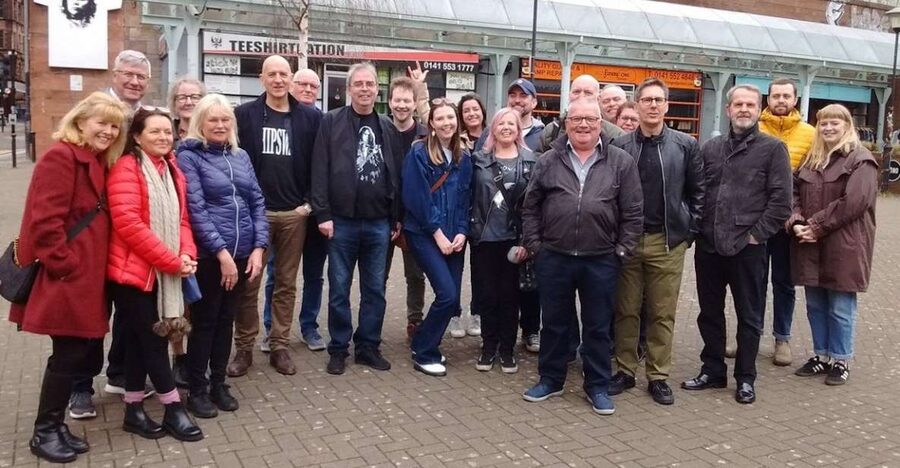
The strongest praise for this tour centers on its guides. Phil has been singled out for being witty, kind, empathetic, and exceptionally well informed. Fiona has been praised for making the walk interesting, friendly, and funny.
That personal quality is important. Music stories can easily become a dry list of dates and bands. A guide who can tell a funny story, read the group, and explain why a venue mattered gives the walk its energy.
You should also know that the guide’s own interests may shape the emphasis. The tour covers several genres, so your favorite band may receive only a short mention while another scene gets more time. That is normal for a two-hour walk, and it is part of the reason the experience works better as a portrait of Glasgow than as a fan pilgrimage for one act.
The official language is English, and the tour is led live. If you are comfortable following spoken English in a moving group, you should be able to handle it. If you want a self-guided audio route that lets you stop and replay every detail, choose a different format.
Is $26 a fair price for two hours?
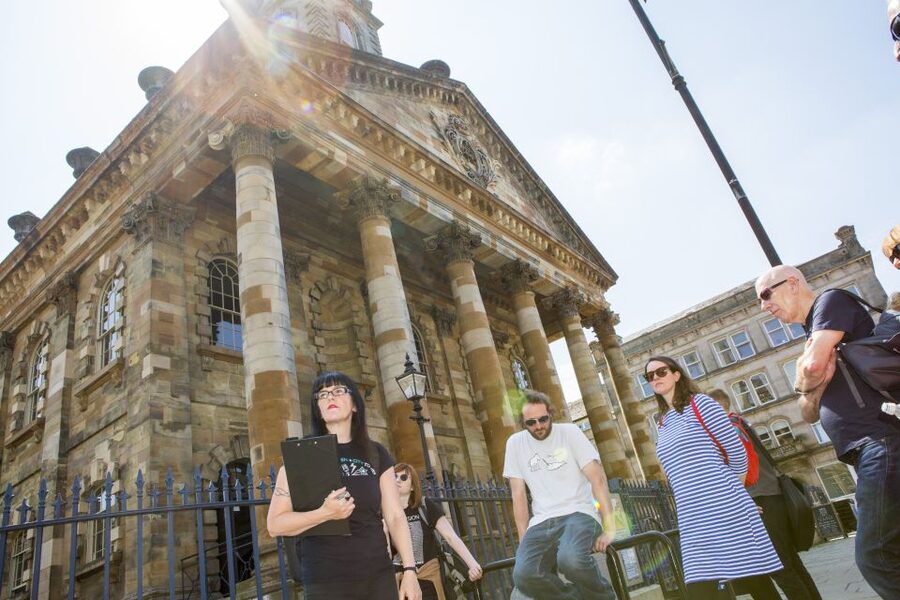
At $26 per person, the tour offers reasonable value if you care about music, local stories, or unusual city sights. You get a two-hour guided walk, a specialist guide, and entry to Britannia Panopticon.
The price is not only paying for the distance covered. You are paying for the guide’s knowledge of venues and scenes that are hard to understand from the outside. The stories about the Barrowland Ballroom, the Barrowland Pathway, older pubs, and newer grassroots spaces give meaning to places you could otherwise pass without noticing.
For a general sightseeing visitor who wants Glasgow Cathedral, grand civic buildings, or a broad city overview, the value is less clear. This is a focused tour. You should book it because you want music and local culture, not because you need a standard introduction to Glasgow.
The reserve-now, pay-later option lets you hold a place without paying at once. You can cancel up to 24 hours before the tour for a full refund, which is useful when your city plans are still shifting.
Practical advice for the two-hour walk
Wear comfortable, flat shoes. The route includes stairs and inclines, so this is not a completely level stroll.
Bring waterproof clothing. Glasgow weather can change quickly, and the activity is outdoors for much of its two-hour length. A light rain layer is more useful than hoping the forecast holds.
Check the available start times when booking. The duration is fixed at two hours, but the departure time can vary.
The tour starts outside The Clutha and Victoria Bar and finishes at Mono Café Bar. Plan your day around that point-to-point route rather than expecting to return to the start.
You do not need to be a music expert. Still, a quick listen to a few Glasgow-linked bands before you arrive could help you place the names. Do not worry if you miss some references. The bigger ideas, such as the role of pubs, halls, artists, and local audiences, are easier to follow.
Who should book the Merchant City music tour?
I would choose this tour if you want to understand why Glasgow earned its UNESCO City of Music title through actual places and personal stories. It is also a good match for anyone who prefers a small cultural subject with a local angle over a standard list of city sights.
Music fans will get the obvious benefit, especially those interested in the Barrowland Ballroom, folk traditions, punk, pop, rock, and independent venues. But you can enjoy it without a detailed knowledge of Glasgow bands. The guide’s stories and the buildings carry much of the experience.
The tour suits adults and older children who can manage a two-hour walk with stairs and inclines. It is less suitable if you need a fully accessible, level route, since the activity specifically warns about stairs and slopes.
Should you book it?
Book the Merchant City: Past and Present Music Tour if you want Glasgow told through its venues, not just through its main monuments. The Britannia Panopticon entry, Barrowland stories, and strong guides make $26 a fair spend for a focused two-hour experience.
Skip it if music is not part of your Glasgow plans, or if you want a broad sightseeing tour with little walking. For everyone else, it offers a lively route through the city’s old streets, with enough humor, history, and present-day detail to send you off with ideas for the rest of your evening.
FAQ
How long does the Merchant City music tour last?
The walking tour lasts two hours.
Where does the tour meet?
Meet outside The Clutha and Victoria Bar at 167 Stockwell Street, Glasgow, G1 4SP.
Where does the tour finish?
The tour finishes at Mono Café Bar.
Is entry to Britannia Panopticon included?
Yes. Entry to Britannia Panopticon is included in the tour.
Is the tour conducted in English?
Yes. The live guide speaks English, and English is the listed tour language.
Do I need to know a lot about music to enjoy the tour?
No. The tour is designed for people who are not music experts as well as those who know Glasgow’s music scene. Some band references may be unfamiliar, but the guide also explains the wider cultural story.
Are there stairs or inclines?
Yes. The tour includes stairs and inclines. Comfortable, flat shoes are recommended.
What should I wear?
Wear comfortable flat shoes and waterproof clothing, since this is a walking tour and much of it takes place outdoors.
Can I cancel or pay later?
You can cancel up to 24 hours in advance for a full refund. You can also reserve your place and pay later, keeping your plans flexible.
Just added around Glasgow
- Private Harry Potter, Glenfinnan Viaduct, Highlands tour Glasgow★ 5.0 · 8 reviews
- Glasgow: Mountains, Glens & The Loch Ness Monster Day Tour★ 4.8 · 8 reviews
- From Glasgow: Castles, Clans & Outlander Day Tour★ 4.8 · 8 reviews
- Edinburgh Custom Private Walking Tour With A Guide (Private Tour)★ 4.5 · 8 reviews
- From Glasgow; Loch Lomond and Highlands Private Day Tour★ 5.0 · 9 reviews
- Loch Lomond, Inveraray and Argyll Private Tour from Glasgow★ 5.0 · 9 reviews
- Fun and Flexible Treasure Hunt Around Glasgow with Cryptic Clues★ 5.0 · 9 reviews
- Fun Glasgow City Centre Walking Tour Guided★ 5.0 · 9 reviews
Glasgow Tours, compared.


City Sightseeing Glasgow Hop-On Hop-Off Bus Tour
Read our review →
Glenfinnan, Fort William, and Glencoe Day Trip
Read our review →

Loch Ness, Glencoe and Highlands Tour with Cruise
Read our review →
Browse the lists this tour appears in